For families and loved ones
How to help a loved one find sober living in New Jersey
You can't make the move for an adult. You can make it easier to say yes: know what a good house looks like, ask the questions that matter, and make the first call together.
- Four recovery homes in Bergen County
- Street addresses kept private
- Class F licensed by NJ DCA
- Overnight operator, 7 p.m.–7 a.m.
- Rides to evening treatment
Is sober living the right next step for them?
The homes are set up for adults in these situations.
We welcome men and women 18 and older who are sober at move-in and committed to staying sober, willing to follow curfew, chores and meetings, and honest during intake, including about medications. Residents must be working, in school or in treatment, or begin one of those within 30 days of moving in.
A recovery home is housing with house rules, not treatment. Our four homes are Class F residences licensed by the New Jersey Department of Community Affairs (DCA), with no clinical care on site; treatment and clinical assessment happen at an outside licensed provider. What a sober living home is
Stepping down from treatment
Finishing residential care or intensive outpatient, and not ready to live on their own.
Working, in school or in treatment
Already doing one of those, or ready to start within 30 days of moving in.
Managing more than one thing
Living with anxiety or depression, or taking medication for addiction, with outside psychiatric care.
Has relapsed before
Needs daily accountability more than another fresh start alone.
Home is the barrier
Housing, rides or day-to-day accountability is what keeps getting in the way.
-
A first responder?
One of our homes is set aside for police, firefighters, EMTs, paramedics and dispatchers.
The first responder house

Questions to ask any sober home
Ask every house you look at. Here is how ours answer.
| Ask this | At NJ Sober Living |
|---|---|
| Who is on site? | New Jersey's Class F rules require two qualified operators for each home: at least one lives in the residence, and one is on site from 7:00 p.m. to 7:00 a.m. whenever residents are present. On top of that, we add house management and behavioral health technicians who support the daily routine. Ask what coverage looks like at the home you're considering. |
| How is sobriety checked? | Periodic drug testing, a curfew and house expectations everyone keeps. |
| When will we see the house rules? | All four homes share one set of written rules, gone over before move-in. Read the house rules |
| Is treatment part of the house? | No. The home is housing. Residents in treatment attend an outside licensed program on the schedule it sets. |
| How will they get to treatment? | The house van drives residents to evening treatment and back. |
| Can they keep working? | Yes. Residents must be working, in school or in treatment, or start one within 30 days of moving in. |
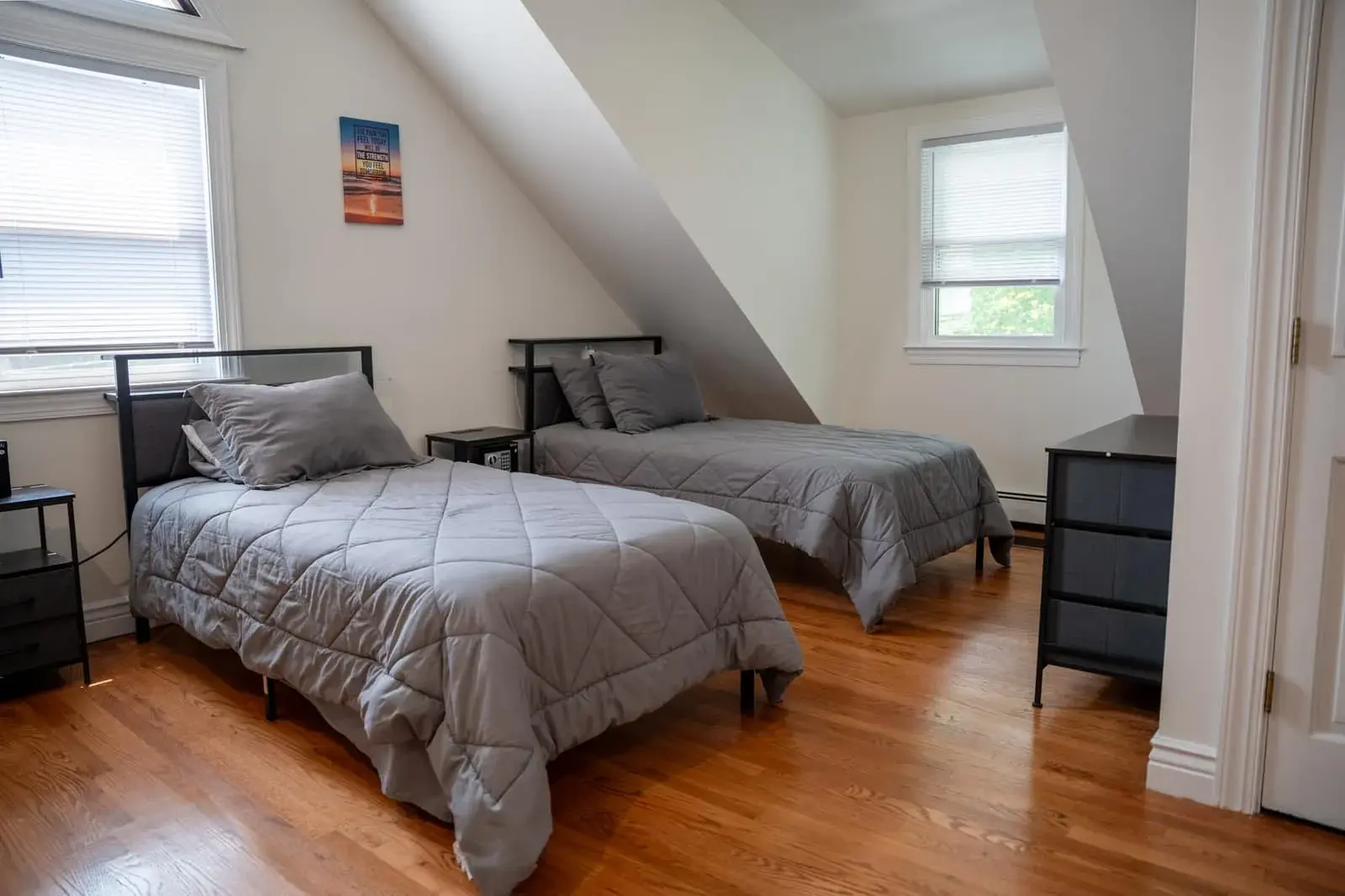
| Will they have their own room? | Bedrooms are shared. Arrangements differ by house and by what is open. |
| Where is the house, and who will know? | The town is named. The street address stays private for residents. |
Ask us any of these on the phone: (201) 231-1066How a week in the house works
What you can do, and what to leave to them
Your part is to make yes easier. The decision, the treatment and the house rules are not yours to carry.
You can
- Pick a calm moment. Talk about where they will live next, not about blame.
- Make the first call together, or call first yourself to ask questions.
- Learn the house rules before move-in, so you can back them instead of arguing them.
- Say plainly what you can offer at home, and what you can't.
- Find support for yourself, such as Al-Anon, Nar-Anon or SMART Recovery Family & Friends.
Leave to them and the house
- The decision. Moving in is their choice, and they agree to the house rules.
- Their treatment. Clinical care happens at the outpatient program.
- The rules. House management and the operators hold them, so you don't have to.
If your loved one is in danger or may have overdosed, call 911. For a suicide or mental health crisis, call or text 988.
See the rooms your loved one would share
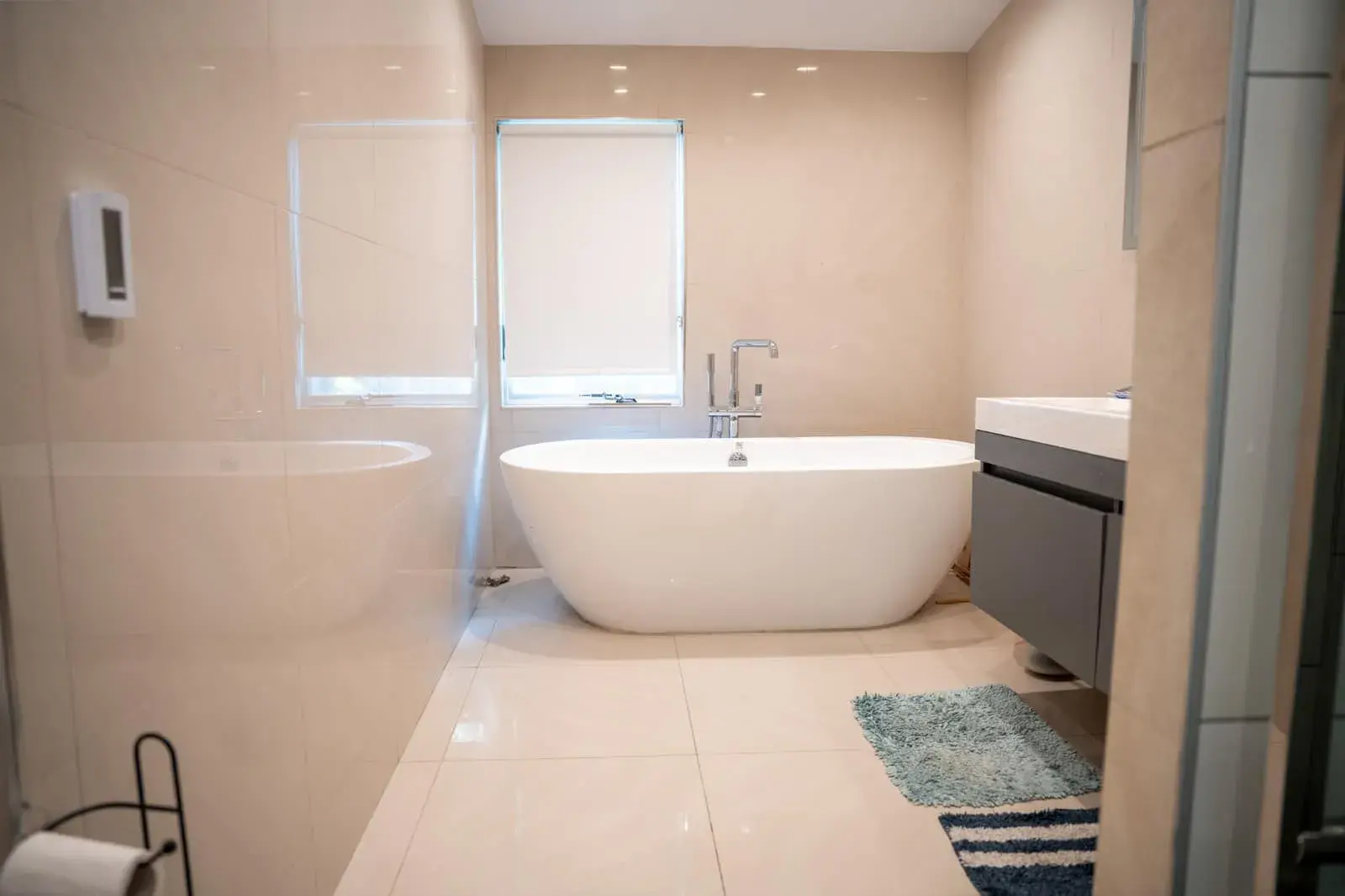
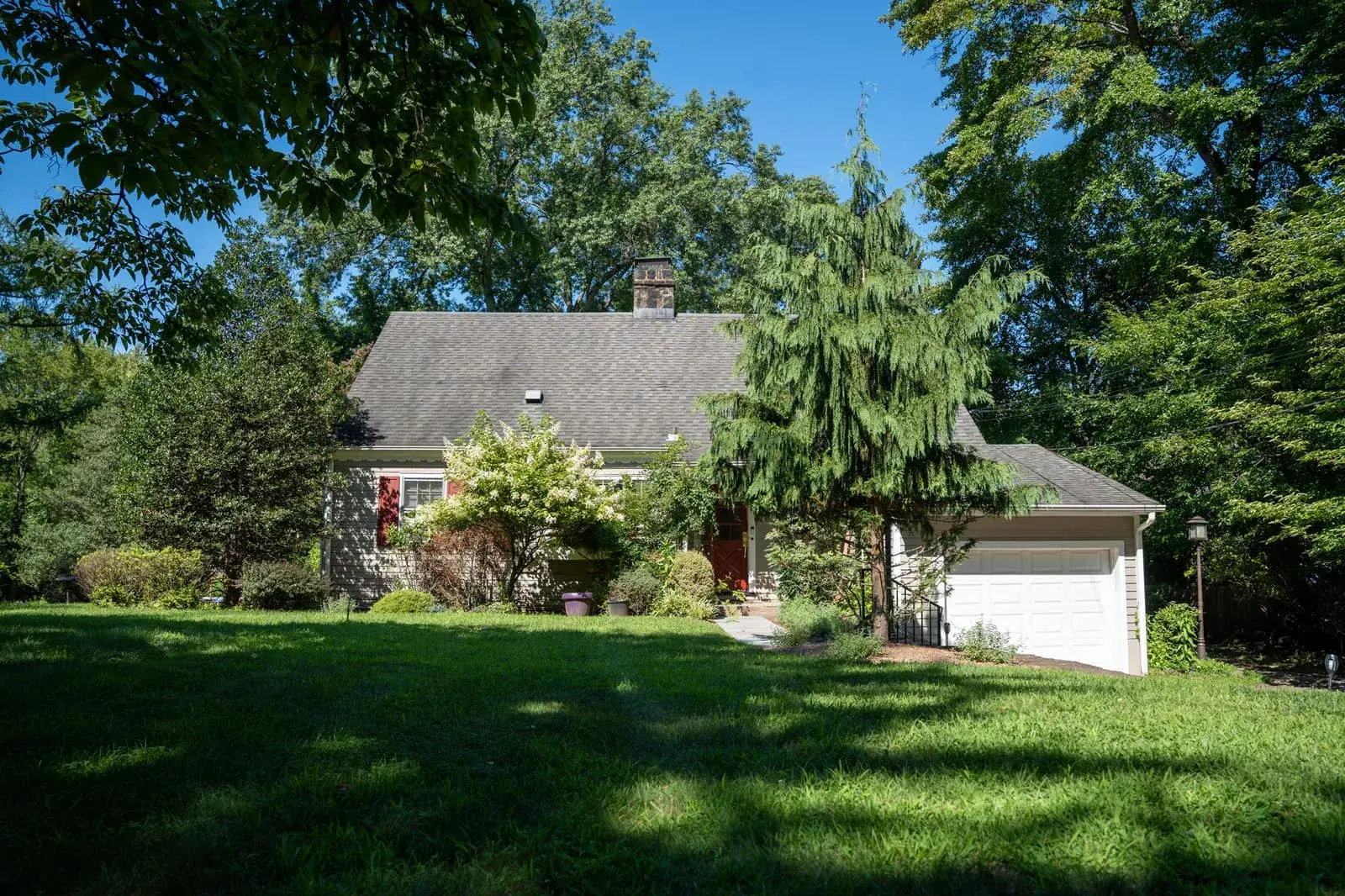
Real photographs from our homes, shown as they are. Bedrooms are shared.
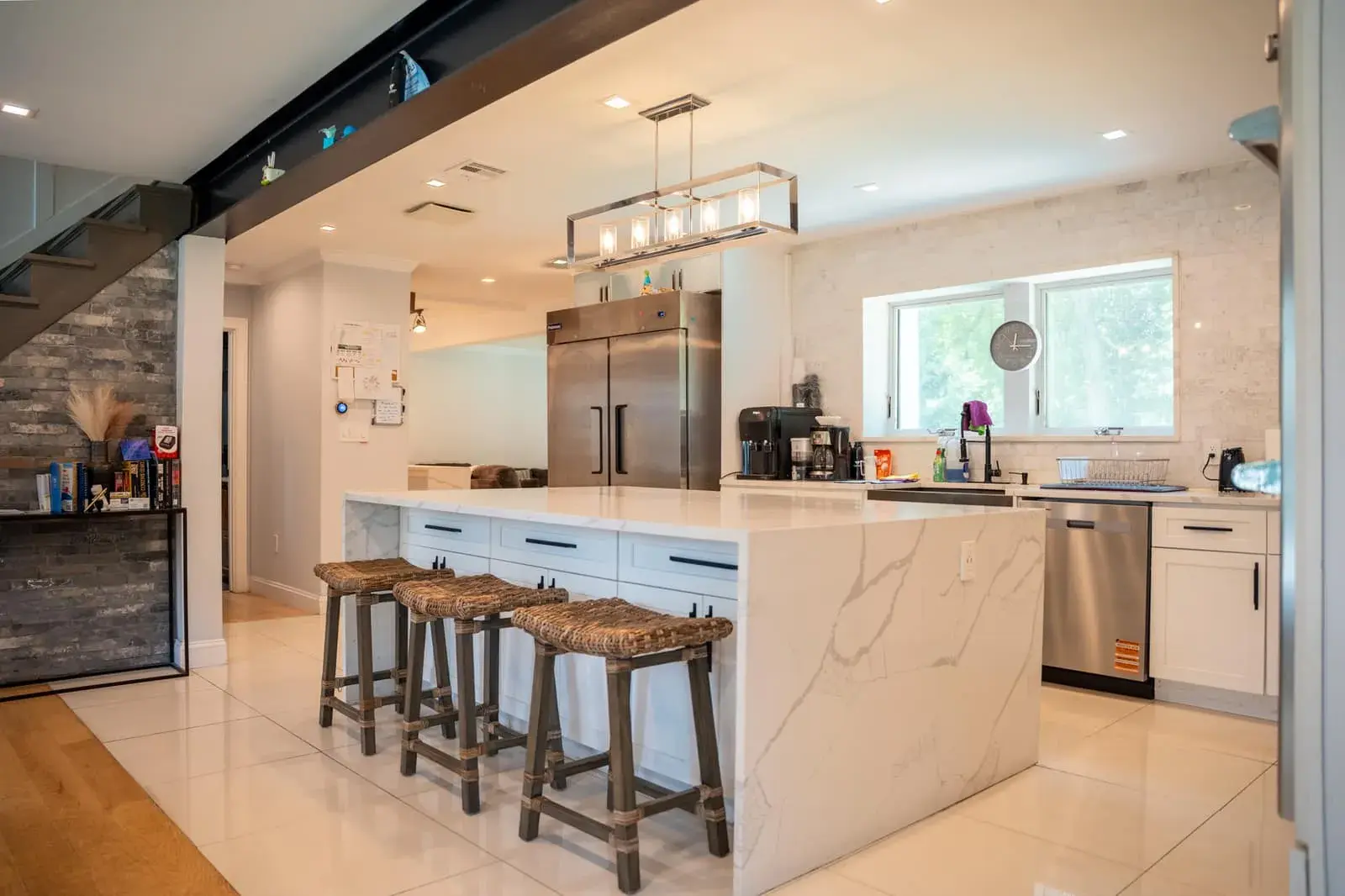
A shared kitchen where residents cook and start the day before work.
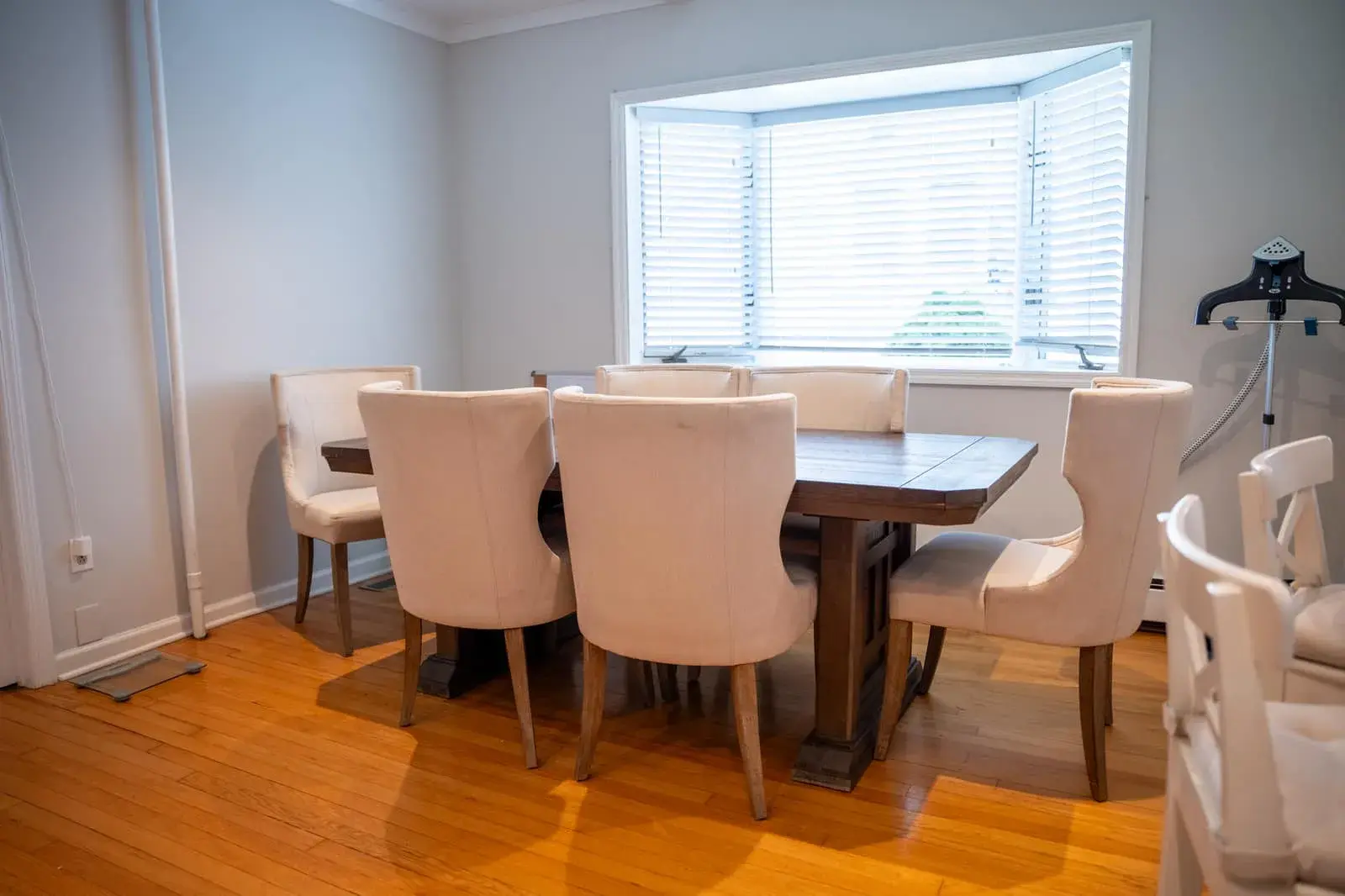
One table, for shared meals with housemates.
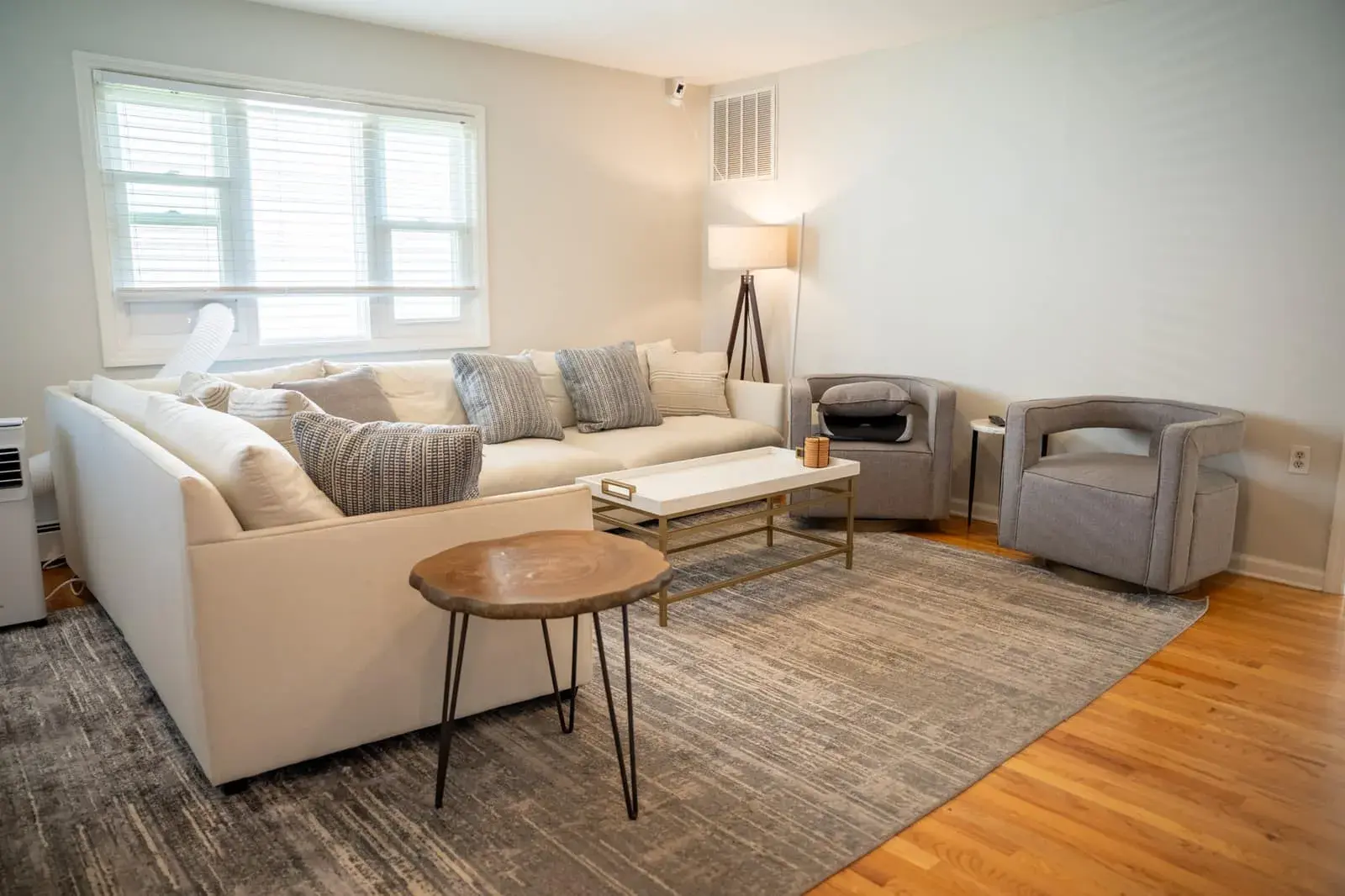
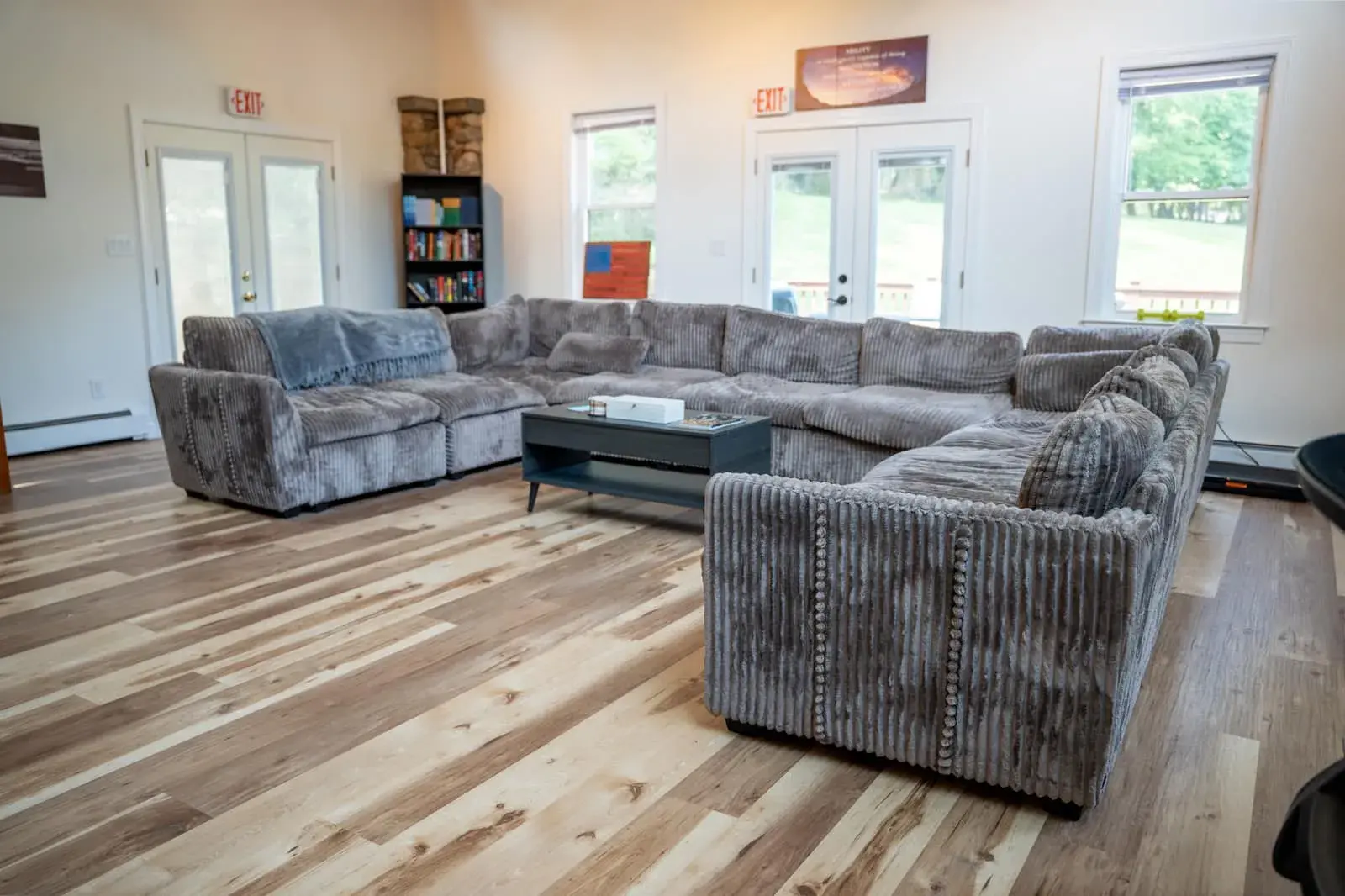
The room the house shares in the evenings.
Bedrooms are shared, here with two twin beds. Arrangements differ by house and by what is open.
A full bathroom the house shares.
A house on a quiet residential street, set back under the trees.
Each home, room by room: Waldwick · Old Tappan · Closter
Questions families ask
Cost and day-to-day questions: the full FAQ
Yes. You can call or check availability for someone else; the form asks who it is for. Moving in is still your loved one's decision, and they agree to the house rules before move-in.
Not necessarily. Residents must be working, in school or in treatment, or begin one of those within 30 days of moving in. Those in outpatient treatment attend an outside licensed program on the schedule it sets, and the house van drives them to evening sessions and back.
Rent is $185 to $240 a week and covers a furnished bed, utilities, Wi-Fi, laundry facilities for residents' use, and the house structure and support. The first week is due at move-in. We confirm the exact weekly rate, and any additional fees, before move-in. More on cost in the FAQ
Rent is private pay, and family members often pay it or help with it. Payment days can line up with a paycheck. Insurance may cover outside treatment, but it generally does not cover rent, because a recovery home is housing rather than treatment. Does insurance cover sober living?
The house provides rides to evening treatment and back. Ask on the first call about anything else they need to get to.
Waldwick, Old Tappan and two homes in Closter, all in Bergen County. Street addresses stay private for residents.
Yes. One home is set aside for police, firefighters, EMTs, paramedics and dispatchers, and its location is not shared. The first responder house
How it starts when a family calls
It starts with an intake conversation on the phone, with you, your loved one, or both.
Call and talk it through. You or your loved one call. The clinical assessment happens with the outpatient provider.
Match to a home with an open bed, or to the first responder house where that fits.
Move in and start evening treatment, with rides from the house.
Step toward living on their own as stability holds.