Sober living house rules at our Bergen County homes
All four NJ Sober Living recovery homes run on one set of written house rules: no alcohol or drugs, random testing, a curfew of 11:00 p.m. on weeknights and midnight on weekends, and shared chores and house meetings. House management keeps those rules, with behavioral health technicians supporting the daily routine, and goes through them with you before you move in. All four homes are Class F cooperative sober living residences licensed by the New Jersey Department of Community Affairs.
- Waldwick · Old Tappan · Closter, NJ
- Class F licensed by NJ DCA
- One set of rules, four homes
What are the house rules in our sober homes?
The rules protect the safety, sobriety, dignity and accountability of the house. Every resident in every home lives by the same ones, which is what lets a shared house stay a sober one.
Call (201) 231-1066The rules
- Substance-freeNo alcohol or illicit drugs in the residence.
- Random testingResidents are tested for alcohol and drugs at random, in line with the law and house policy. Read how drug testing works in sober homes.
- SafetyNo violence, credible threats, weapons, theft, harassment, intimidation or sexual misconduct.
- RespectTreat residents, staff, visitors and neighbors with respect, and follow reasonable directions from the house manager on duty.
- Chores and hygieneKeep your bedroom and the common areas reasonably clean, do your assigned chores, and keep up the hygiene shared living needs.
- BedroomsHousing leadership assigns rooms, and no one switches without approval. No entering another resident's bedroom. Only water in bedrooms, unless a health need or an accommodation calls for something else.
- MoneyNo borrowing or lending money between residents and staff.
- BoundariesNo sexual activity between residents in the residence, and recovery-support relationships keep appropriate boundaries.
- RidesThe house van drives residents to evening treatment and on house outings.
- Weekly house meetingThe house meets every week to talk through community concerns, expectations and recovery support.
Who keeps the rules
Rules hold because people in the house hold them.
- Licensed operatorsNew Jersey's Class F rules require two qualified operators for each home: at least one lives in the residence, and one is on site from 7:00 p.m. to 7:00 a.m. whenever residents are present.
- House managementOur addition. Enforces the rules, keeps the structure and holds residents accountable.
- Behavioral health techniciansOur addition. Support the daily routine and respond when a moment gets hard.
When is curfew, and when can family visit?
Curfew means in your bedroom, not just in the house. Visitors and overnight passes are set by housing leadership, the same way in every home.
Curfew
- Monday to Friday
- 11:00 p.m.
- Saturday and Sunday
- 12:00 a.m.
Residents are in their bedrooms by these times.
Visitors
- No overnight guests.
- Visits during approved hours, in the common areas.
- Up to 3 visitors per resident at a time.
- Housing leadership may limit or deny a visitor for a documented safety, sobriety, capacity or house-rule reason.
Passes
- Residents request a pass on the house schedule.
- Housing leadership approves or denies it.
- For residents in active treatment, input from the clinical team may be considered, but the house makes the final call.
Where do the rules play out in the house?
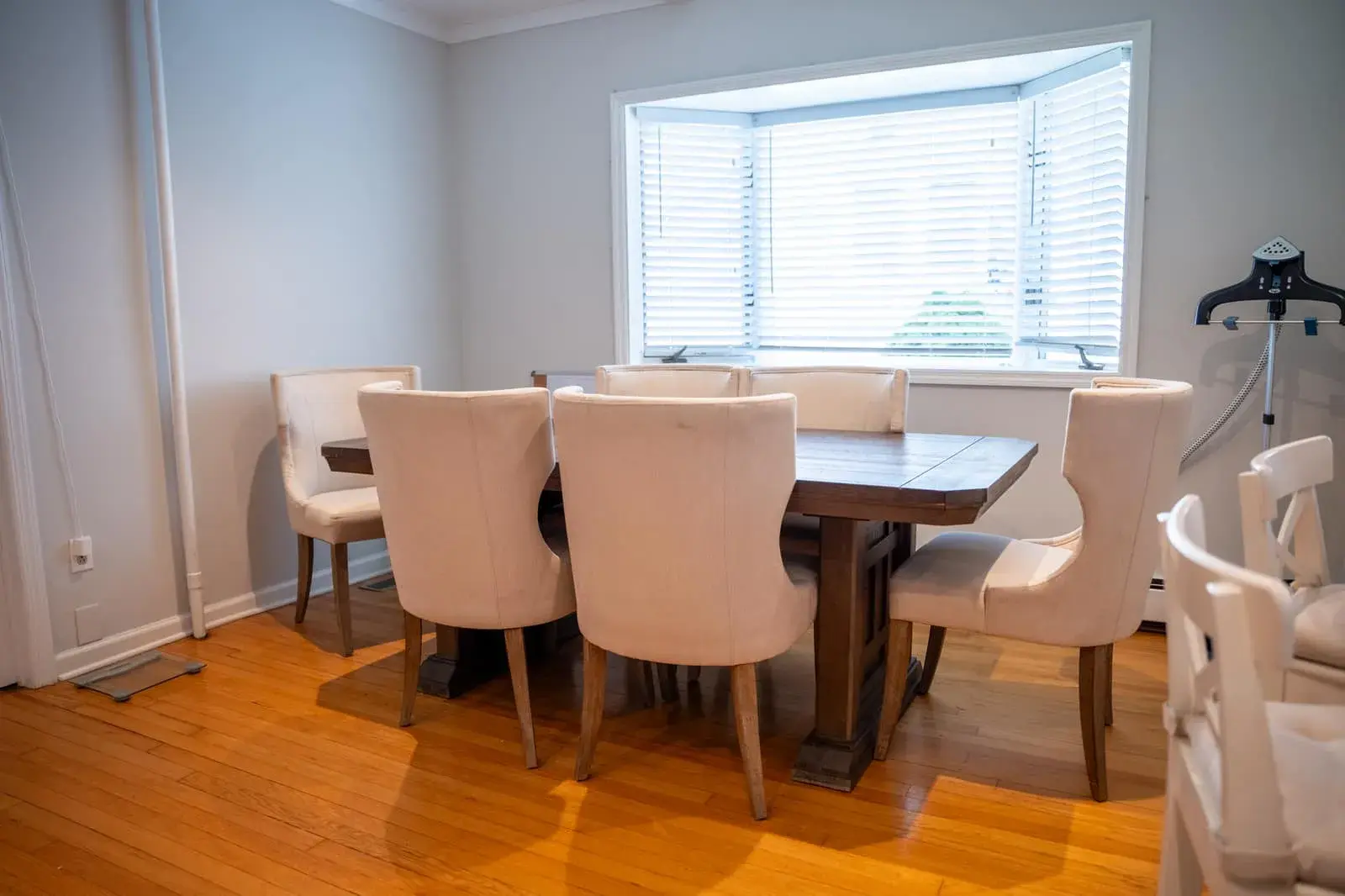
These are photographs of our homes, not stock. Towns are named; street addresses are kept private for residents.
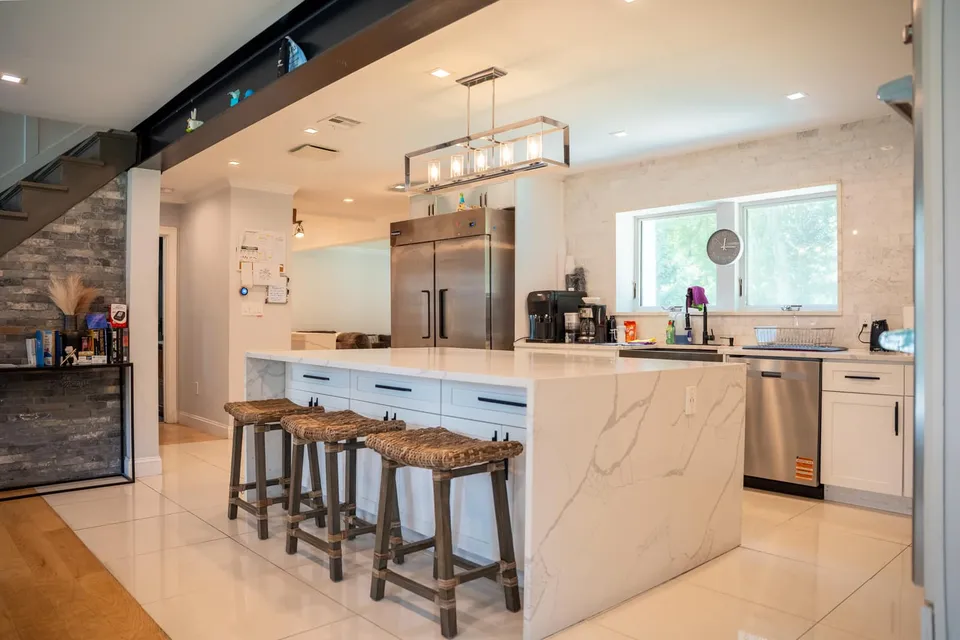
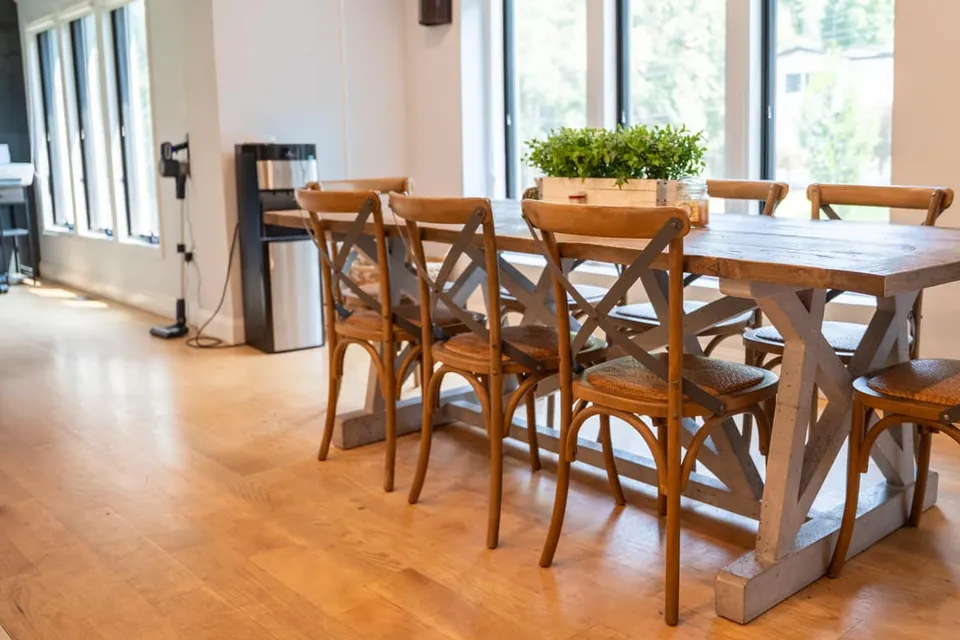
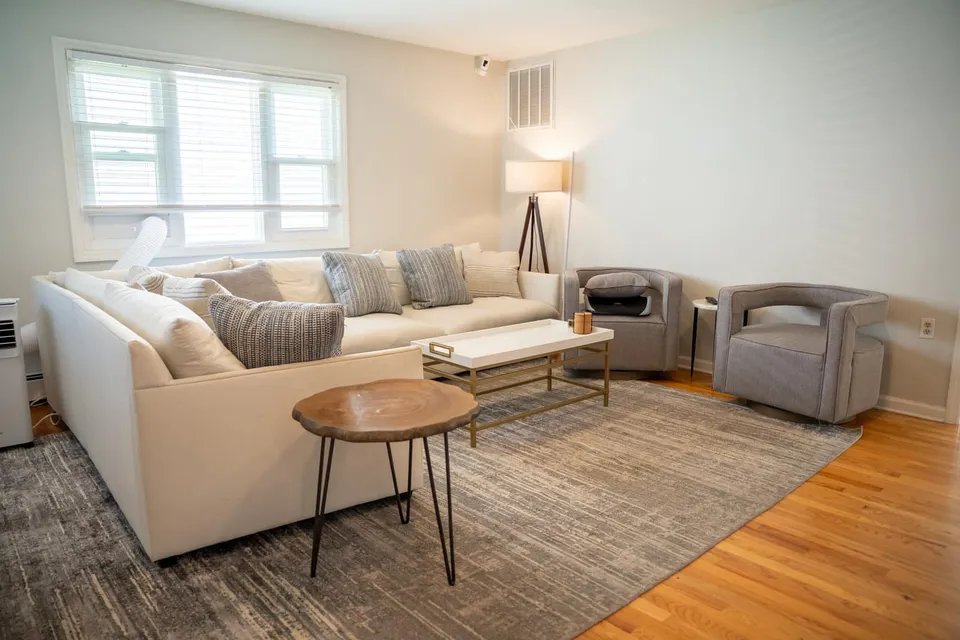
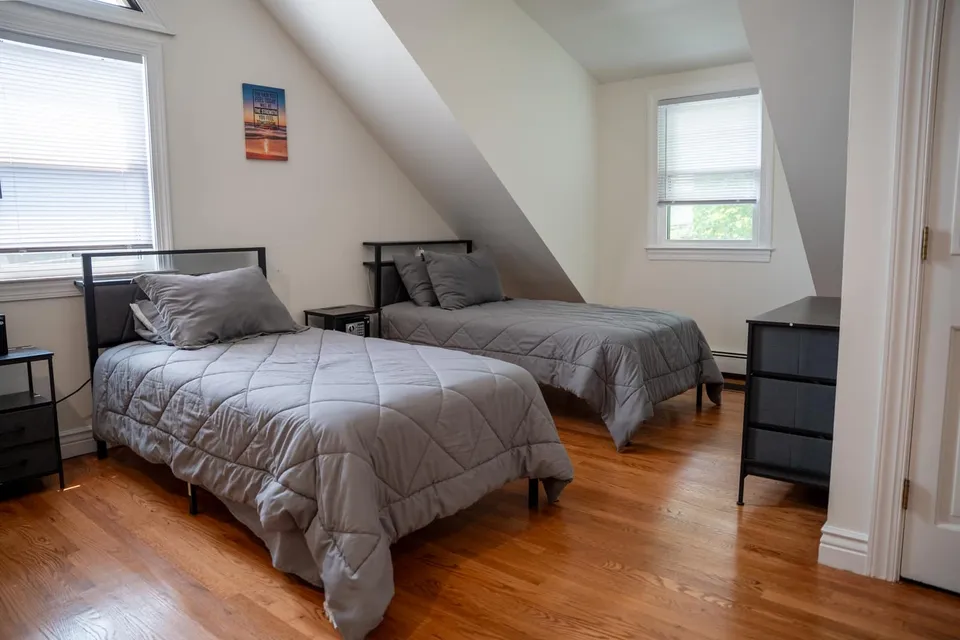
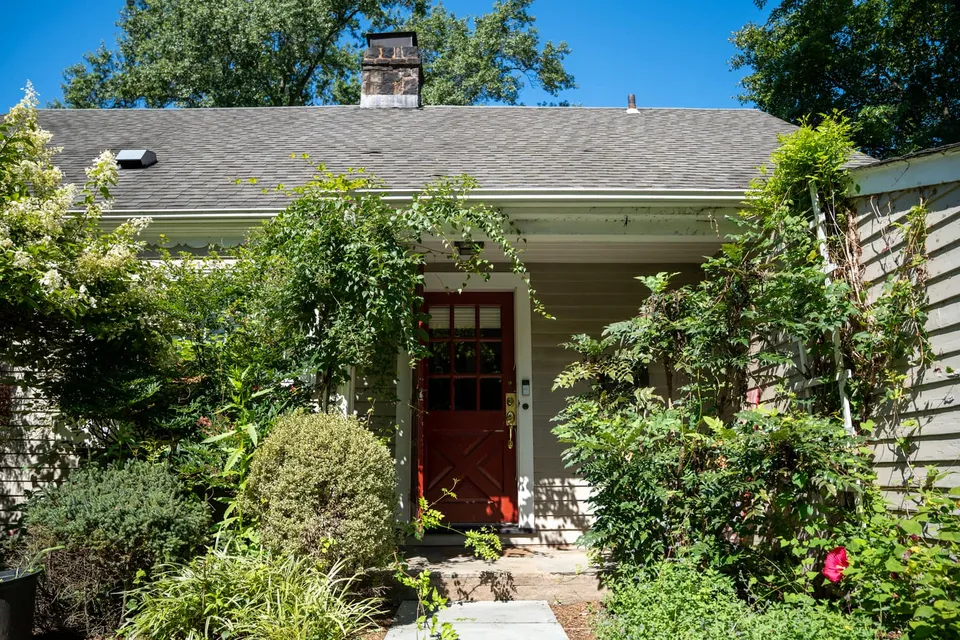
Mornings start here, on the house schedule, before residents leave for work or the day.
How do the rules fit around work and evening treatment?
- Morning
Up on the house schedule, the shared kitchen, then out to work, school or a daytime commitment.
- Day
The day is yours within house expectations: a job, school or treatment, errands, exercise, a recovery meeting.
- Evening
On the evenings their outside outpatient program sets, the house van drives residents to treatment and brings them back.
At home with housemates, with an operator in the house overnight, and in bedrooms by 11:00 p.m. on weeknights.

What happens if someone breaks a rule?
Most rule breaks get a progressive response, applied the same way to everyone, without unlawful discrimination or retaliation.
Coaching or a warning
A verbal conversation for a minor or first-time concern, when that fits.
A written plan
Written corrective action or a behavioral contract that names the rule, the change expected, the timeframe and the follow-up.
Discharge from the house
For a serious violation, or when a resident does not meet the written plan.
Serious violations
These can skip straight to discharge:
- Having or using alcohol or illicit drugs.
- Violence, credible threats, assault or weapons.
- Theft or intentional serious damage to property.
- Diverting or distributing medication or other substances.
- Conduct that creates an immediate and substantial safety risk.
Housing is separate from treatment
A decision about staying in the house is a housing decision. Leaving the house does not automatically end a resident's outpatient treatment. If a resident relapses, what to do after a relapse covers the next steps.
Fair housing and reasonable accommodation
Before any adverse housing action over conduct that may be connected to a disability, prescribed medication, a mobility limitation or another protected status, leadership considers whether a reasonable accommodation has been asked for or is apparent, and whether it can be made.
When can staff check a room?
The house balances its safety with your privacy and dignity.
- Room and property checks follow a written house rule, for safety, prohibited substances, weapons, sanitation or protecting property.
- A search is tied to that safety reason and no more intrusive than it needs to be.
- Phones and other personal devices are not searched as a routine. Looking at their contents takes a separate lawful basis or your consent.
- Staff document significant searches and anything prohibited they find.
- Belongings left behind are handled under the signed housing agreement and the law.
What does the house expect, and what does it cost?
Recovery activities
The house may require or strongly encourage recovery-support activities, such as attending meetings and off-site services that help you stay sober. You choose the path: 12-step, SMART Recovery, peer-led meetings, faith-based recovery support or another recovery community.
Work, school or treatment
Every resident must be working, in school or in treatment, or begin one of those within 30 days of moving in.
Medication
Tell us at intake about every medication you take, including medication for addiction treatment (MAT). Prescribed medication taken as prescribed, under your outside prescriber's care, is welcome. Diverting or sharing medication is a serious violation. Sober living on MAT.
Weekly rent
$185 to $240 a week, depending on the home and room. Rent covers a furnished bed, utilities, Wi-Fi, laundry facilities for residents' use, and the house structure and support. We confirm your exact rate, and any additional fees, before you move in. What sober living costs in New Jersey.
Paying rent
The first week is due at move-in. Rent is private pay, and payment days can line up with your paycheck. Insurance may cover your outside treatment, but it generally does not cover rent.
Refunds
Ask about refund terms before you pay. We confirm them in writing with your rate.
What does New Jersey require of licensed sober living homes?
New Jersey licenses cooperative sober living residences under a Class F license from the Department of Community Affairs (N.J.A.C. 5:27). All four NJ Sober Living homes hold that license. These are the state's own rules for those homes.
A plain-language summary of the state rules, not legal advice.
The full picture, in plain language: New Jersey sober living laws.
Sources: N.J.A.C. 5:27-2.1 (as amended effective January 6, 2025) and N.J.A.C. 5:27-13.2 (adopted effective January 6, 2025). Reviewed against public records, October 2026.
| Topic | What the state rule says | Source |
|---|---|---|
| What it is | A home only for people recovering from drug or alcohol addiction, where residents support each other's sobriety and recovery. | N.J.A.C. 5:27-2.1 |
| Overnight staff | Two operators; one on site from 7:00 p.m. to 7:00 a.m. when residents are present, and at least one living in the residence. | N.J.A.C. 5:27-2.1 |
| Size | No more than 10 residents, not counting the operators. | N.J.A.C. 5:27-2.1 |
| Not treatment | An alcohol- and drug-free home with no on-site counseling, therapy or clinical treatment by the licensee. | N.J.A.C. 5:27-2.1 |
| Testing | House rules may require weekly drug and alcohol screening of all residents. | N.J.A.C. 5:27-13.2(a) |
| Curfew | A reasonable curfew is allowed. It does not apply during recovery- or work-related activities and cannot block reasonable activities such as visits or errands. | N.J.A.C. 5:27-13.2(b) |

What should you ask before moving in?
The house manager goes through the rules and the housing agreement with you before move-in. These are the questions the rules alone do not answer, and worth asking on the call.
- Which home has an open bed?
- What is my exact weekly rate, and are there any additional fees?
- Which day will my rent be due, and what are the refund terms?
- How does the house handle prescribed medication, including MAT?
- What are the visiting hours?
- How do I request a pass?
- Is the bedroom shared, and with how many people?
Questions about sober living house rules
More answers in the sober living FAQ, and in what a sober living home is. Families can start with our guide for families.
No. All four homes, in Waldwick, Old Tappan and Closter, run on the same written house rules, the same curfew and the same visitor and pass policy. The house manager goes through them with you before you move in.
Yes. Every resident must be working, in school or in treatment, or begin one within 30 days of moving in. If you are also in outpatient treatment, your program sets the schedule, and the house van drives you to evening sessions.
Curfew is in your bedroom by 11:00 p.m. Monday to Friday and by midnight on Saturday and Sunday. If your work hours or a meeting run later, ask on the call how the house handles it. For context, New Jersey's rules for licensed cooperative sober living residences say a house curfew does not apply while residents are at a recovery- or employment-related activity, and it cannot prevent reasonable activities such as visits or errands (N.J.A.C. 5:27-13.2). All four of our homes hold that Class F license.
No. On treatment nights the house drives residents to evening outpatient treatment and brings them back.
No. Our homes are substance-free, structured recovery housing, and a Class F home may not provide counseling or clinical treatment on site. Residents in treatment attend an outside licensed program; the house is where they live while they do. How it works explains the two together.
Yes, during approved hours and in the common areas, with up to 3 visitors per resident at a time. There are no overnight guests. Housing leadership may limit or deny a visitor for a documented safety, sobriety, capacity or house-rule reason.
Most rule breaks get a progressive response: coaching or a warning, then a written corrective plan, then discharge from the house if the plan is not met. A serious violation, such as using alcohol or drugs, violence or weapons, can lead straight to discharge. A housing discharge does not automatically end outpatient treatment.
Hear the rules before you decide
Call and we'll walk you through the house rules and the home with an open bed.