Referring a client to sober living in Bergen County, NJ
NJ Sober Living is recovery housing: four recovery homes in Bergen County, operated by Clarity Sober Living LLC. All four are Class F cooperative sober living residences licensed by the New Jersey Department of Community Affairs (DCA). The house provides housing, structure and rides to evening treatment; clinical care stays with an outside licensed provider.
Waldwick, Old Tappan and Closter (two homes) Class F licensed by NJ DCA $185–$240/week rides to evening treatment street addresses kept private for residents
What the house provides, and what stays with outpatient care
The house provides housing, structure and rides. It offers no clinical treatment on site: assessment, treatment and prescribing stay with an outside licensed provider.
The house
- HousingSubstance-free, furnished, shared rooms in a residential neighborhood
- LicenseClass F cooperative sober living residence, licensed by NJ DCA
- OperatorsTwo qualified operators per home, as the state requires: one lives in the residence, and one is on site 7:00 p.m. to 7:00 a.m. whenever residents are present
- House managementAdded on top of the state requirement; runs the house and holds residents to its expectations
- TechniciansBehavioral health technicians, also added, support daily routines and hard moments; ask about coverage at the home you have in mind
- CurfewEvenings in the house, under curfew
- Drug testingPeriodic, in the house
- House rulesOne set of written rules in all four homes, gone over before move-in
- RidesThe house van, to evening treatment and back
- Rent$185 to $240 a week: furnished bed, utilities, Wi-Fi, laundry facilities for residents' use, and the house structure and support
The outpatient program
- AssessmentThe clinical assessment happens with the outpatient provider
- TreatmentOn the schedule the program sets; insurance may cover it
- MedicationMAT and other medications stay under the client's outside psychiatric care
Talk through where your client is in treatment.
Call (201) 231-1066Who the homes are a good fit for
The homes take people stepping down from more intensive care who now need structure where they live.
Eligibility: men and women 18 and older who are sober at move-in and committed to staying sober, willing to follow curfew, chores and meetings, and honest during intake, including about medications. Residents must be working, in school or in treatment, or begin one of those within 30 days of moving in.
- Stepping down from residential or intensive outpatient care and moving toward living independently.
- Working, in school or in treatment, or ready to start one within 30 days of moving in.
- Managing anxiety or depression alongside recovery, under outside care.
- Taking MAT medications under outside psychiatric care.
- Relapsed before and in need of day-to-day accountability.
- Held back by housing, transportation or accountability, the things that keep treatment from working.
The homes your client would live in
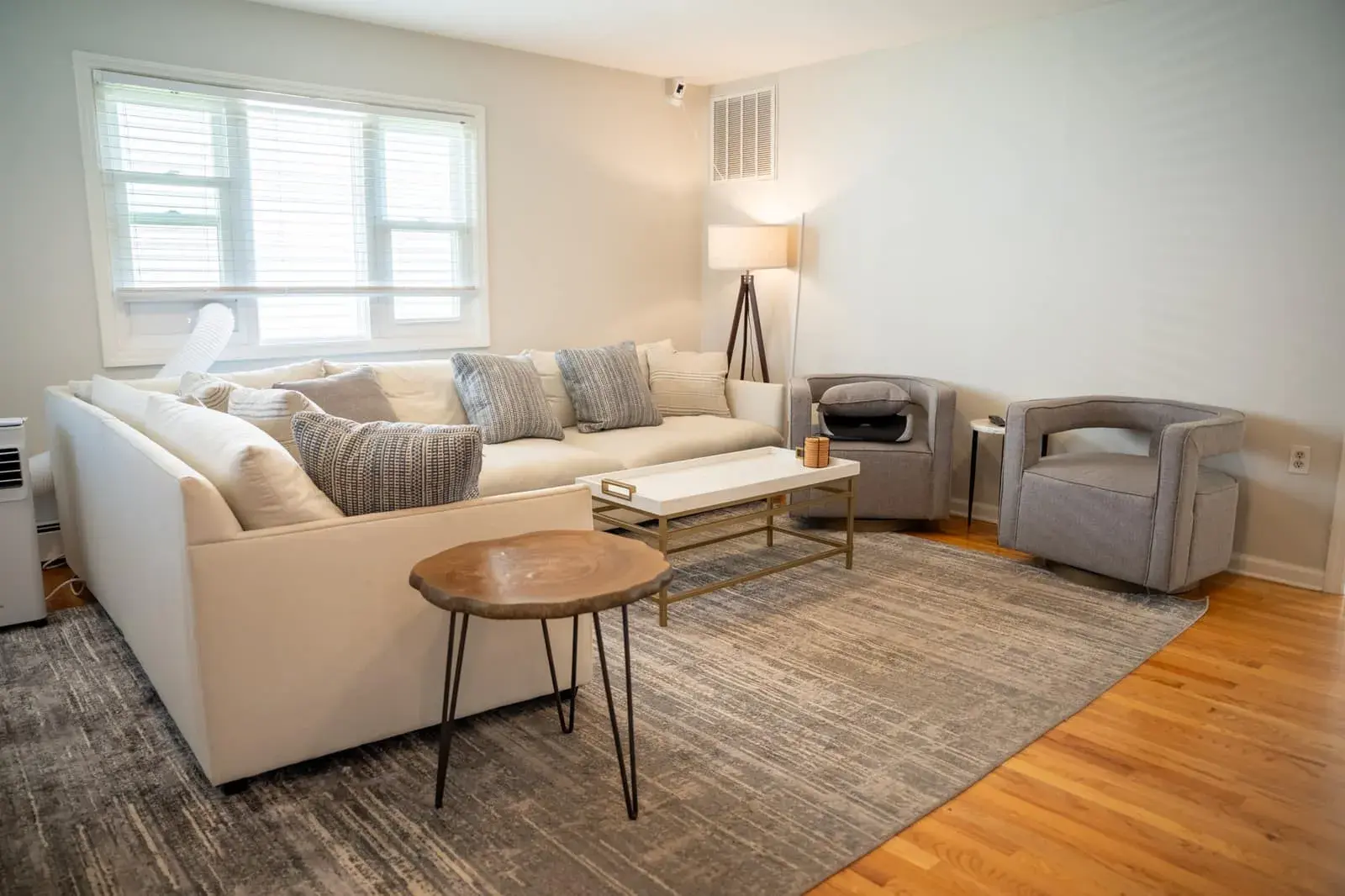
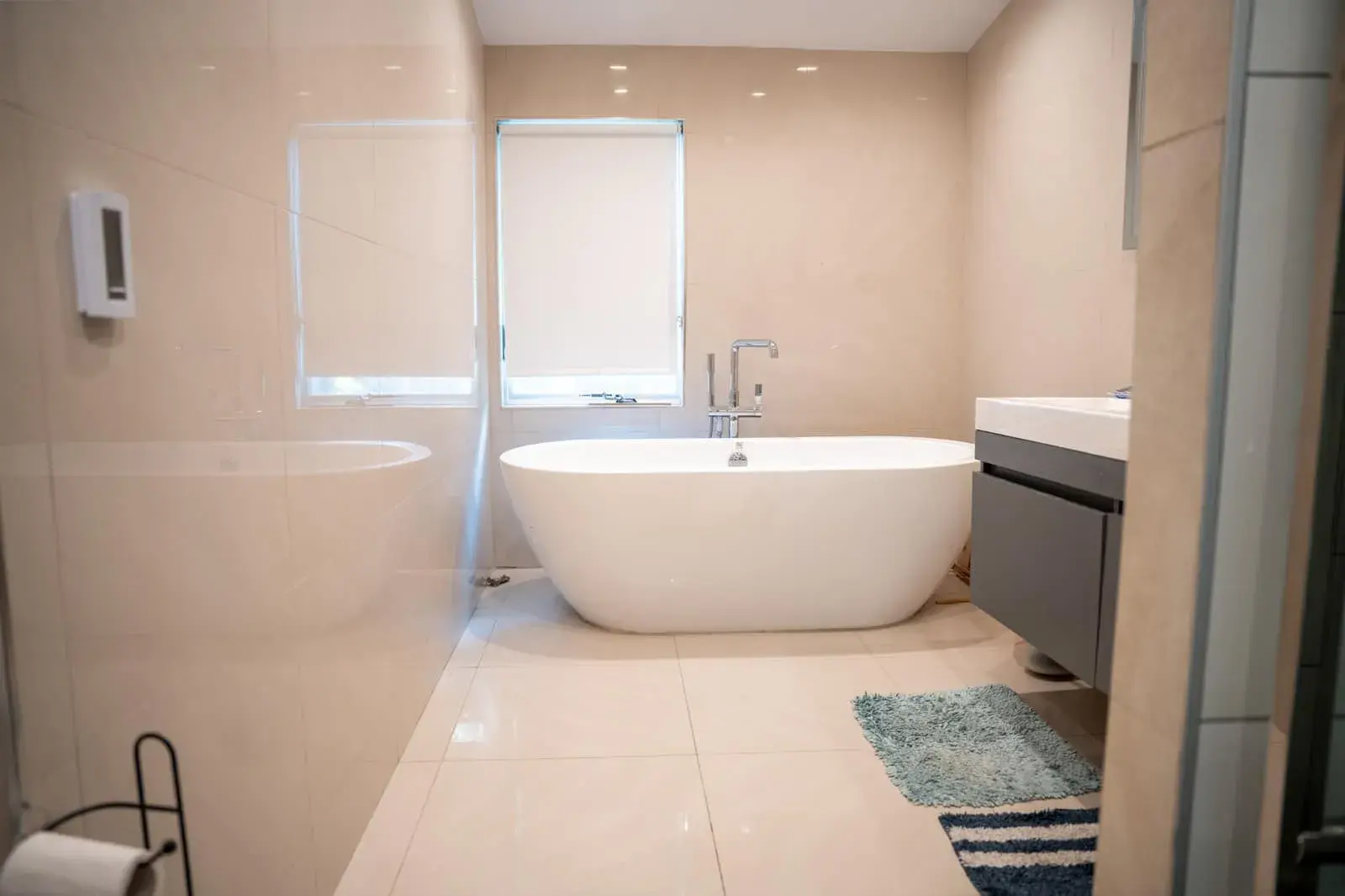
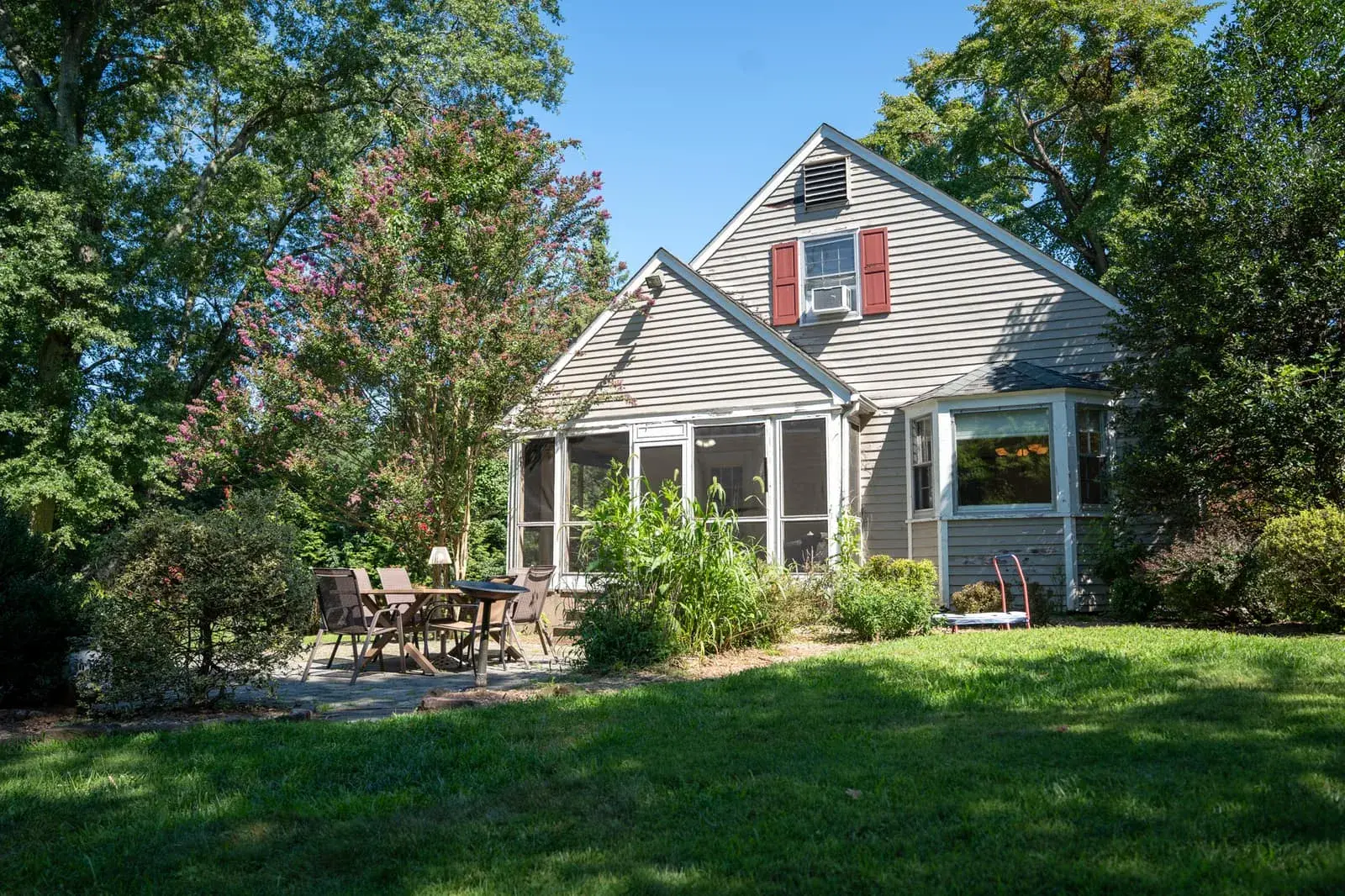
Real rooms in the four homes. Every bedroom pictured is a shared room with twin beds.
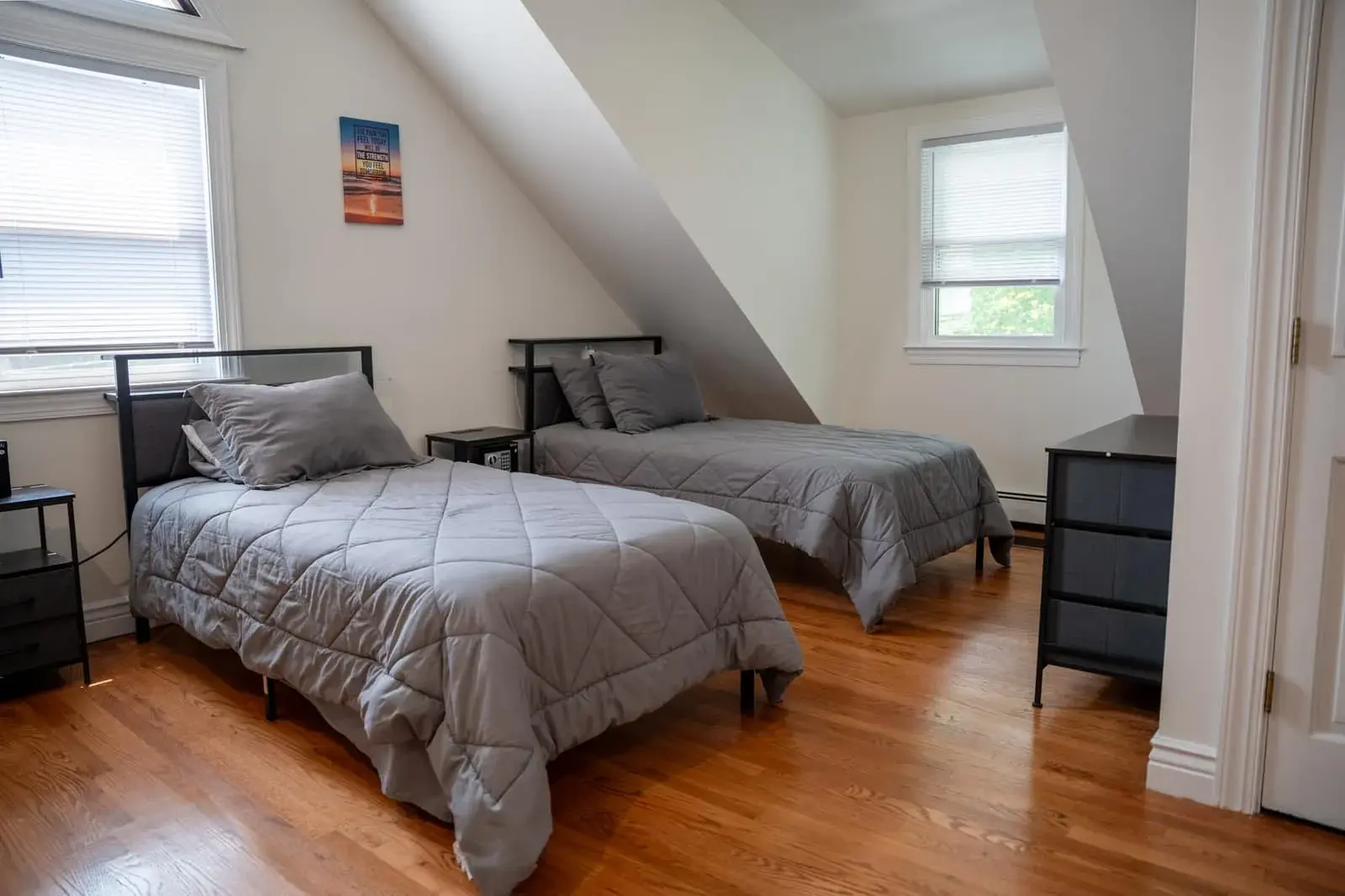
A shared bedroom at Old Tappan. Arrangements differ by house and by what is open when you refer.
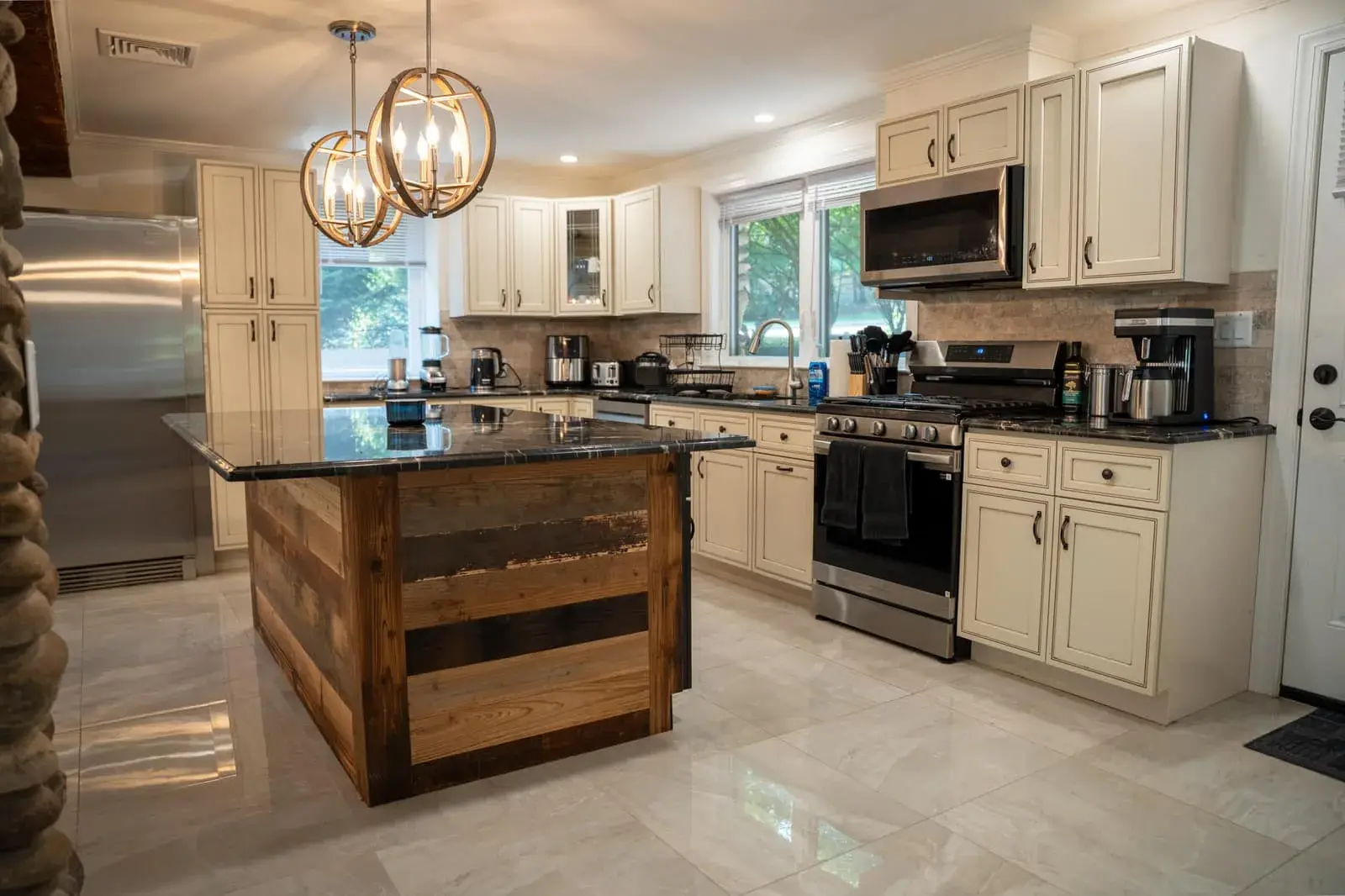
The shared kitchen at Old Tappan, where mornings start before work.
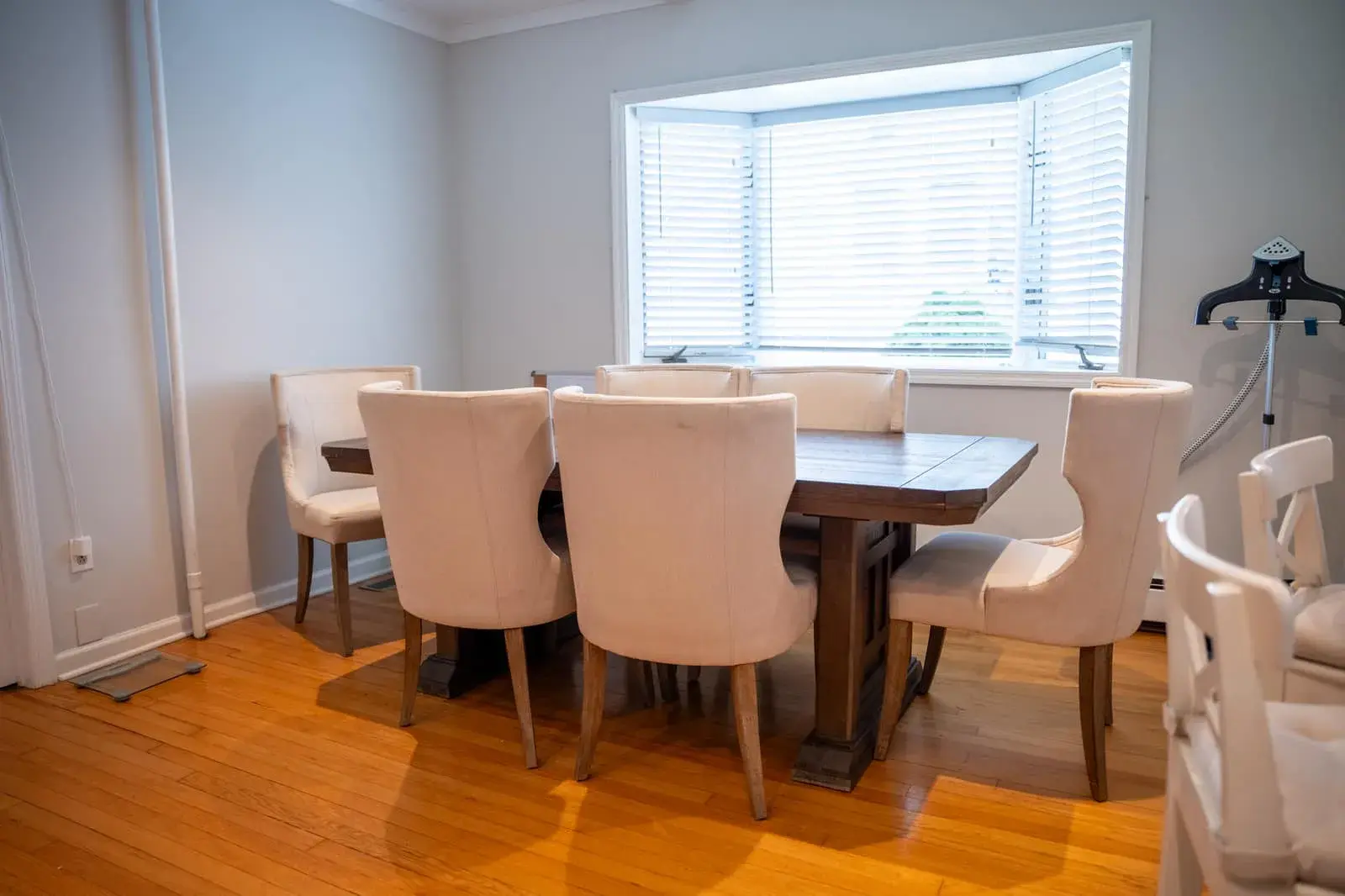
A dining room for shared meals with housemates.
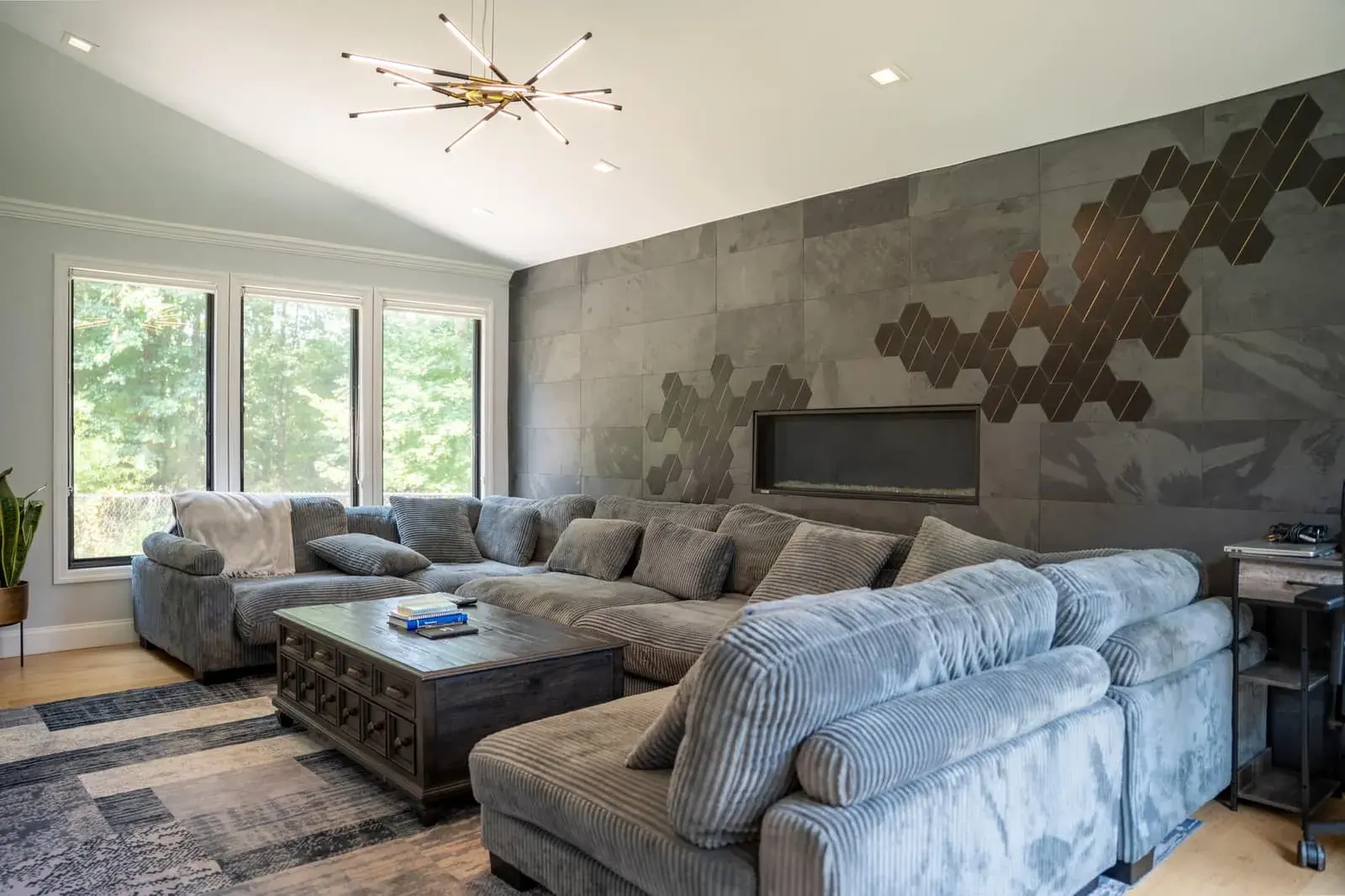
A living room shared by the house, for evenings at home.
A bathroom at Closter Residence I, with a freestanding tub.
The back yard and patio at Closter Residence II.
Each home has its own page: Waldwick, Old Tappan and Closter (two homes).
How a referral works, step by step
Four steps from the first call to move-in. Rent is $185 to $240 a week; we confirm the exact rate and any additional fees before move-in.
Call and talk it through. Where your client is in treatment, what is standing in the way, and which home fits. The clinical assessment happens with the outpatient provider.
Match to a home with an open bed. Waldwick, Old Tappan or Closter, whichever fits. The house rules are gone over before move-in, and the first week's rent is due at move-in.
Move in and keep up work, school or treatment. Residents in treatment attend an outside licensed program on the schedule it sets, and the house van drives them to evening sessions and back.
Step toward living independently. As stability holds, the next move is independent housing.
Questions referring clinicians ask
Not answered here? Call and ask. Questions from residents and families are on the FAQ page.
No. It is recovery housing: Class F licensed residences with no on-site clinical treatment. Clinical care happens at an outside licensed provider; the house provides the structure, the operators the state requires, house management and behavioral health technicians, and rides to evening treatment.
Yes. The homes are for people taking MAT medications under outside psychiatric care. Prescribing stays with that outside care.
Yes. One of the four recovery homes is for police officers, firefighters, EMTs, paramedics and dispatchers. We don't publish which one; ask on the call, or read about the first responder house.
Treatment stays with an outside licensed provider, on the schedule that provider sets, and the house van drives residents to evening sessions. Ask on the call whether a current provider can stay primary.
The house van drives them to evening treatment and back, on the schedule their program sets. A client does not need a car.
Expect a shared room. Every bedroom pictured is shared, with twin beds; arrangements differ by house and by what is open when you refer.
$185 to $240 a week, covering a furnished bed, utilities, Wi-Fi, laundry facilities for residents' use, and the house structure and support. The first week is due at move-in, and we confirm the exact rate and any additional fees up front. Rent is private pay, with payment days that can line up with a paycheck. Insurance may cover outside treatment, but it generally does not cover rent.

Talk through a referral
Call to describe your client's situation and ask which home has an open bed. Towns are named; street addresses stay private for residents.