Sober living guide
Is sober living right for me?
Sober living is usually right for you if you have stopped drinking or using, want to stay stopped, and the place you would otherwise live makes that harder. It also asks something back: house rules, a shared room and a weekly fee. If you are still using or may need medical help to stop, treatment comes first.
Reviewed against public records, October 2026
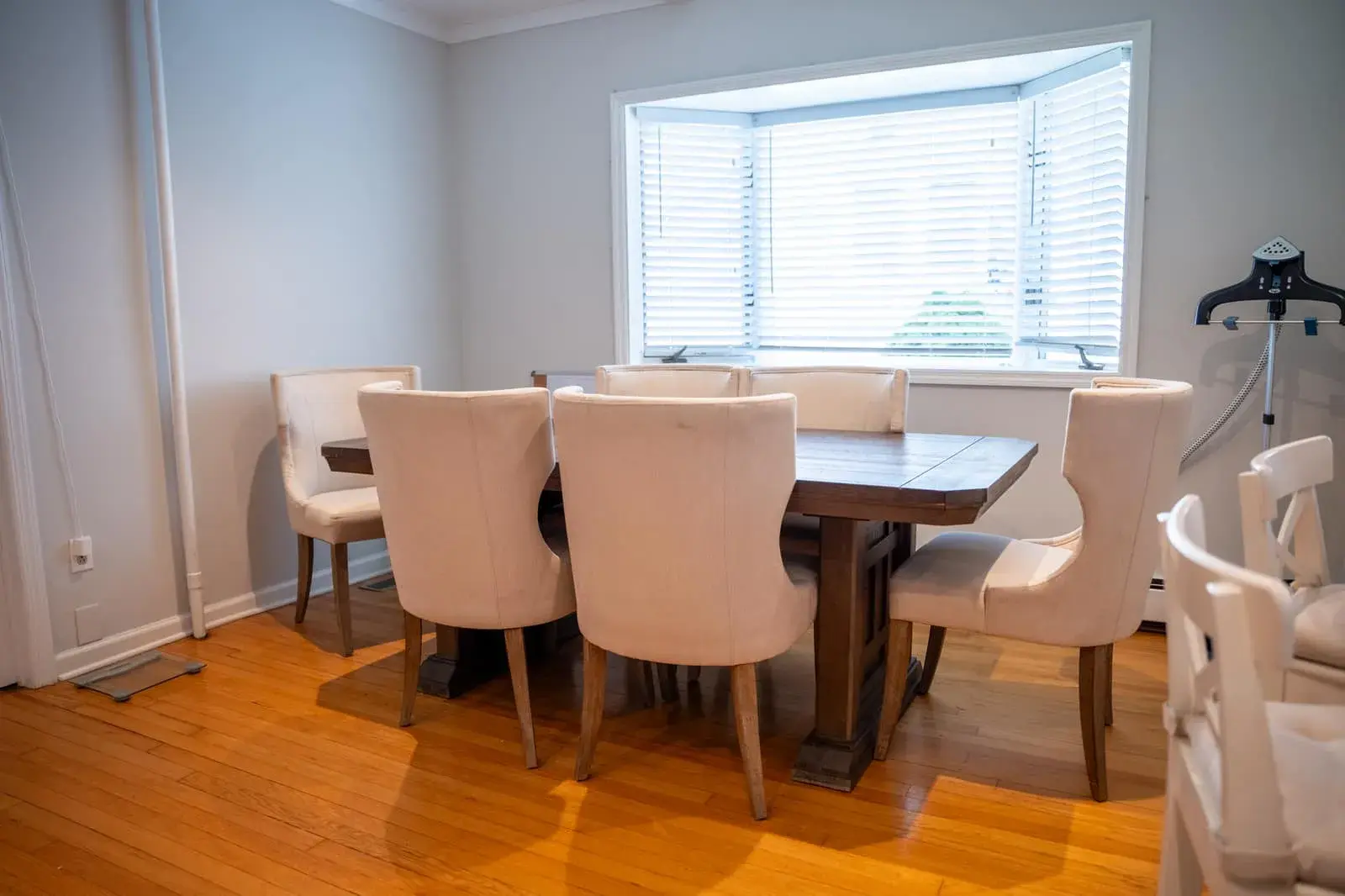
What does a sober living home give you that home might not?
A sober living home gives you three things many homes cannot: a place with no alcohol or drugs in it, housemates working on the same thing, and a few rules that keep the day steady.
Sober living homes, also called recovery residences, exist because the place you live can make staying sober easier or much harder. Researchers who followed 300 people entering sober living houses for 18 months describe the lack of a stable, alcohol- and drug-free place to live as a serious obstacle to staying abstinent, and they documented improvement in alcohol and drug use, work, arrests and psychiatric symptoms over that time (Polcin et al., 2010). That is a study of residents, not a promise for any one person or house.
New to the idea? Start with what a sober living home is.
At a glance
- No alcohol or drugsNothing in the house to work around
- Housemates in recoveryPeople who understand a hard day
- Rules that steady the dayA curfew, chores and house meetings
Who is sober living usually a good fit for?
Sober living usually fits people who have finished or are stepping down from treatment, people whose home has alcohol or drugs in it, and people who want a job and evening treatment at the same time.
- Leaving treatmentYou are finishing residential or intensive outpatient treatment and aren't ready to live alone yet.
- Home makes it harderThe place you'd go back to has alcohol or drugs in it, or people who use.
- Working with evening treatmentYou want your days for a job, school or a job search and your evenings for treatment.
- After a relapseYou have stopped again and want more structure and people around you this time.
- On prescribed medicationYou take medication for opioid or alcohol use disorder; ask the home first.
Reading for someone else? See sober living for families.
- BeforeTreatmentDetox, residential or intensive outpatient care
- The step betweenSober living homeA substance-free house with rules and housemates; treatment continues outside
- AfterLiving on your ownYour own place, with the routines you built
When is a sober home not the right next step yet?
A sober home is not treatment, so it is not the right next step if you are still drinking or using, if you may need medical help to stop, or if you need care around the clock.
Stopping alcohol after heavy, regular drinking can bring withdrawal that may quickly become life-threatening. If you might be in withdrawal, contact a medical provider right away; go to an emergency room or call 911 if seizures, fever, severe confusion, hallucinations or an irregular heartbeat occur (MedlinePlus, 2025).
A sober home also expects you to be alcohol- and drug-free from the day you move in. Intensive outpatient treatment, by contrast, is built for people who do not need medical detox or 24-hour supervision (McCarty et al., 2014), so if you need either, that level of care comes first.
Side by side
A sober home
- A place to live
- House rules and housemates
- A weekly housing fee
- You go out to work and treatment
Treatment
- Clinical care from licensed providers
- Withdrawal care, counseling, medication
- Levels from outpatient to residential
Which house rules would you need to live with?
Every sober home asks you to live by written rules: no alcohol or drugs, drug and alcohol testing, a curfew, chores, house meetings and limits on guests.
- Staying alcohol- and drug-freeNothing in the house, and you stay sober while you live there.
- Drug and alcohol testsHow and how often depends on the home.
- A set time homeA curfew: the hour you need to be back at the house.
- Shared choresYour room and the shared rooms kept clean.
- Regular meetingsHousemates meet to sort out how the house runs.
- Guest limitsWhen visitors can come, and whether anyone stays over.
What it asks of you
Most sober homes ask you to share a bedroom and the kitchen, to be home by a set time and to give up some independence for a while. There is a weekly housing fee, and the rules apply to every housemate in the same way. That trade is the point: the structure holds while your own routines settle. Ask any recovery home for its rules in writing before you move in, and read what can get you asked to leave.
When might sober living not be the right fit?
Sober living may not be the right fit if you need clinical care or medical help to stop, if you can't live by shared-house rules right now, or if you need privacy or housing for your family.
- You need a higher level of careA sober home gives no treatment in the house. If you may need medical withdrawal care, 24-hour supervision or intensive treatment, that comes first (see above).
- You can't follow house rules yetSober living houses offer limited structure and no formal treatment, so researchers describe them as best suited to people who can handle a fair amount of autonomy and take responsibility for their own recovery (Polcin et al., 2010). Homes put their rules on a return to use in writing (SAMHSA, 2023), and breaking them can mean moving out.
- You need privacyResidents commonly share bedrooms as well as the kitchen and living space; in one of the California models studied, sharing a bedroom was part of the design, to limit isolation and keep costs down (Polcin et al., 2010).
- You need to live with your children or partnerOxford Houses, for example, are single-sex, and only some of them let mothers or fathers live with their minor children (Ortiz et al., 2009). Ask any home whether it can house your family.
- You have serious mental health needsIn one long-term study, about a third of sober living residents had markedly higher psychiatric severity and significantly worse outcomes than the others (Polcin et al., 2010). Ask whether a home links residents to mental health care, or whether you need a setting with more support.
- Quality and oversight varyOversight differs from state to state. In 2018 the U.S. Government Accountability Office found that the number of recovery homes nationwide was unknown, and four of the five states it reviewed had investigated fraud such as recruiting residents for unnecessary drug testing billed to insurance (GAO, 2018). SAMHSA advises checking whether a home is certified to national standards (SAMHSA, 2023).
The research has limits too. Residents in the main sober living studies chose the houses themselves, so their own characteristics may account for part of the improvement researchers saw (Polcin et al., 2010).
Self-check
Take the sober living readiness self-check
Eight questions about where you are now. Answer for yourself, or with someone you're helping.
This is a self-check, not a clinical assessment. Nothing you choose is stored or sent. Your result needs JavaScript; the questions read without it.
Your result appears here after you answer the questions.
Sober living looks like a good fit
Your answers match the people sober living usually helps most. The next step is comparing homes and reading their written rules.
It could fit. Settle a few things first
Some of your answers point both ways. Read when sober living may not fit, then compare homes and ask about their rules.
Learn what a sober home asks first
Shared rooms and house rules are part of every sober home. Read what living in one involves before you decide.
Treatment may need to come first
If you are still using or may need help to stop safely, talk to a doctor or a treatment program first. SAMHSA's National Helpline is free and open 24/7: 1-800-662-4357.
Can sober living fit around a job and evening treatment?
Yes, for many residents: days stay free for work, school or a job search, and outpatient treatment happens in the evening.
Intensive outpatient programs offer at least 9 hours of treatment a week, often as three 3-hour sessions, and let people stay in their homes and communities while they attend (McCarty et al., 2014). When those sessions fall in the evening, the working day stays free. Getting to a job is usually your own arrangement, so check the bus or a ride before you choose a house. More on working while in sober living and evening IOP and sober living.
What should you ask before you decide?
Before you decide, ask any home five things: its written rules, who is on site, how testing works, what the weekly fee covers, and how it fits your treatment.
Then compare homes side by side: how to choose a sober living home.
- Can I see the house rules in writing? A good home gives them to you before you move in.
- Who is in the house, and when? Ask who manages the home and who is there overnight.
- How does drug and alcohol testing work? Ask what is tested and what happens after a positive result.
- What does the weekly fee cover? Ask what is included and whether there is a deposit.
- How does living here fit my treatment? Ask how residents get to treatment and when curfew falls.
Questions about whether sober living is right for you
It depends on the person and the home. In a study of two groups of California sober living houses, average stays were 166 and 254 days, roughly five to eight months (Polcin et al., 2010). See how long to stay in sober living for what to weigh.
Most sober homes charge a weekly or monthly housing fee, and the amount depends on the house, the area and what the fee includes. For New Jersey, see how much sober living costs in New Jersey for what drives the price and what to ask.
Usually not. Health insurance pays for treatment, such as an outpatient program, but a sober home is housing, so the housing fee is normally paid by the resident or family. Read does insurance cover sober living for the details.
Many sober homes accept residents who take prescribed medication for opioid or alcohol use disorder, but policies differ, so ask before you move in. The guide to sober living on MAT covers what New Jersey law says.
Homes handle it through their written rules, which usually start with a conversation and a plan and can end with a move-out for serious or repeated problems. Knowing the rules ahead of time is part of deciding. If it happens to you, see what to do after a relapse.
New Jersey’s rooming and boarding house rules include a licensed category called a cooperative sober living residence: an alcohol- and drug-free home for up to 10 residents, with an operator on site overnight and no treatment given in the house (N.J.A.C. 5:27-2.1). Ask any home how it is set up under these rules. This is general information, not legal advice; see sober living laws in New Jersey.
A family member can make the first call, ask the questions and help with the move, but the person moving in has to choose to live by the house rules. The page for families covers how to start that conversation.
Sources
- Polcin, D. L., Korcha, R., Bond, J., and Galloway, G. (2010). What did we learn from our study on sober living houses and where do we go from here? Journal of Psychoactive Drugs, 42(4), 425-433. PMC3057870. Accessed October 30, 2026.
- MedlinePlus, U.S. National Library of Medicine (2025). Alcohol withdrawal. medlineplus.gov. Reviewed January 1, 2025; accessed October 30, 2026.
- Substance Abuse and Mental Health Services Administration. SAMHSA's National Helpline. samhsa.gov. Accessed October 30, 2026.
- McCarty, D., et al. (2014). Substance abuse intensive outpatient programs: assessing the evidence. Psychiatric Services, 65(6), 718-726. PMC4152944. Accessed October 30, 2026.
- N.J.A.C. 5:27-2.1, Definitions (cooperative sober living residence). Cornell Legal Information Institute. Accessed October 30, 2026.
- Substance Abuse and Mental Health Services Administration (2023). Best Practices for Recovery Housing. Publication No. PEP23-10-00-002. store.samhsa.gov. Accessed October 30, 2026.
- U.S. Government Accountability Office (2018). Substance Use Disorder: Information on Recovery Housing Prevalence, Selected States' Oversight, and Funding. GAO-18-315. gao.gov. Accessed October 30, 2026.
- Ortiz, E., Alvarez, J., Jason, L. A., Ferrari, J. R., and Groh, D. (2009). Abstinence social support: the impact of children in Oxford House. Journal of Groups in Addiction and Recovery, 4(1-2), 71-81. PMC2935192. Accessed October 30, 2026.
This guide is general information, not medical or legal advice. Statements about NJ Sober Living's homes come from the operator.