Recovery support
Relapse warning signs: what to notice before a lapse
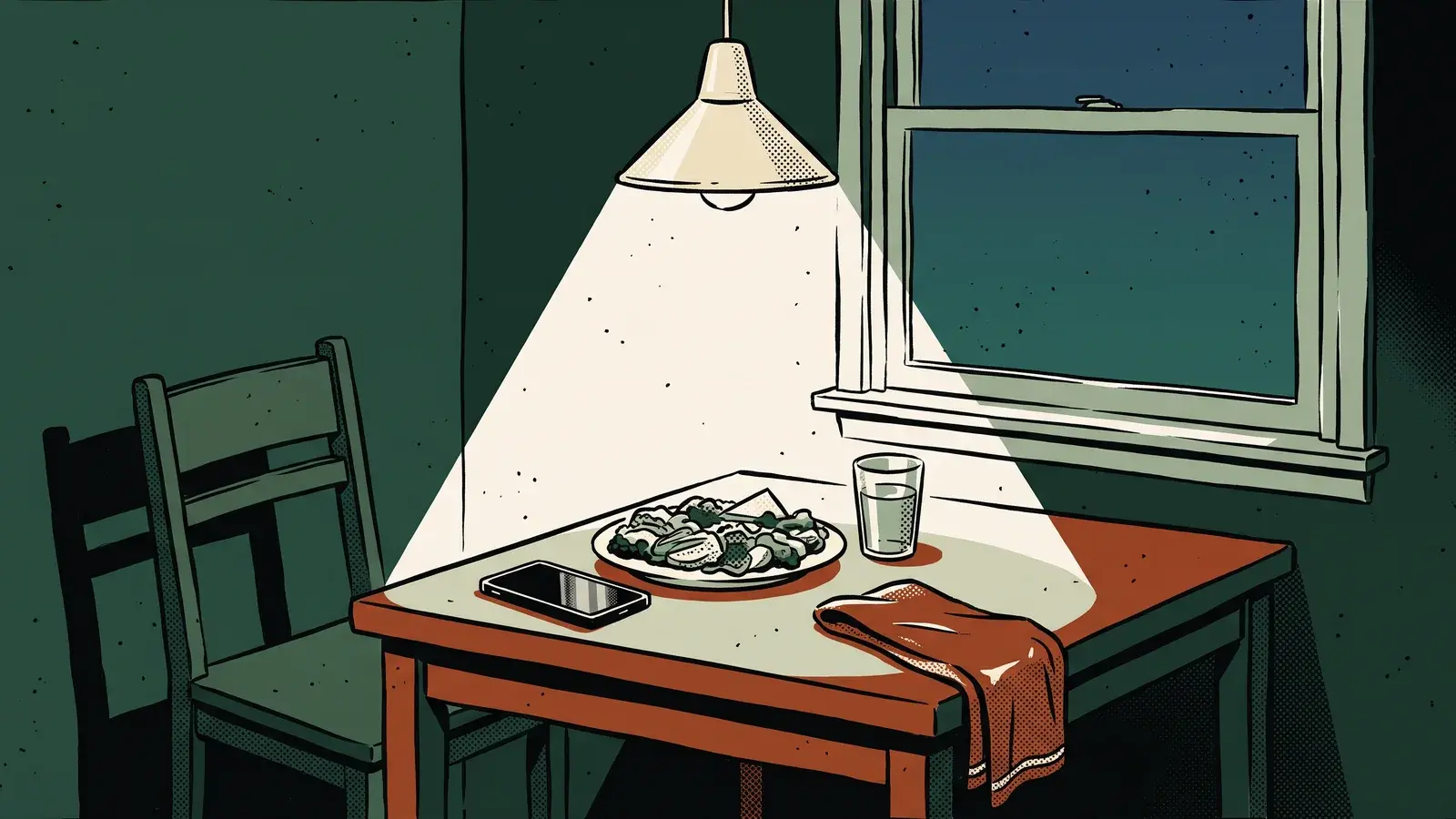
Relapse warning signs usually show up weeks or months before someone drinks or uses again (Melemis, 2015). The earliest are emotional: bottling up feelings, isolating, skipping meetings, and eating and sleeping poorly. Later come mental signs, such as cravings, thinking about old people and places, and bargaining about when using would be okay.
- Early signs Feelings bottled up, isolating, meetings skipped, poor sleep and meals
- Later signs Cravings, old people and places, bargaining, secrets
- What helps Tell one person what you notice, today
Reviewed against public records, October 2026: NIDA, SAMHSA and peer-reviewed research. General information, not medical advice.
What are the earliest warning signs of relapse?
The earliest warning signs are emotional, and they show up while a person is not yet thinking about using. The common thread is poor self-care (Melemis, 2015).
Researchers who work with relapse prevention describe three stages: emotional relapse, then mental relapse, then physical relapse, which is using again (Melemis, 2015). In the emotional stage a person remembers past relapses and does not want to repeat them, yet their feelings and habits are setting them up. Denial is a big part of this stage, so a useful check is to compare this week with the weeks before a past relapse: are you sleeping, eating and showing up the way you were?
How relapse builds
Three stages, earliest first
- Emotional relapseNot thinking about using yet; self-care slips.Earliest warning signs
- Mental relapsePart of you wants to use; thoughts get louder.
- Physical relapseUsing again. A first use (a lapse) can quickly become a relapse.
Stages as framed by Melemis (2015)
- Bottling up emotionsKeeping feelings in instead of talking them through.
- IsolatingPulling away from housemates, friends and family.
- Skipping meetingsMissing the groups or sessions that were part of the week.
- Going but not sharingShowing up and staying quiet.
- Focusing on other peopleTheir problems, or how they affect you, instead of your own recovery.
- Poor eating and sleepingSkipped meals, late nights, running on empty.
When does thinking about using become a warning sign?
Occasional, brief thoughts about using are normal in early recovery; they become a warning sign when they grow more insistent or come more often (Melemis, 2015).
One sign to watch for is bargaining: giving yourself permission to use on a holiday or a trip, imagining you could use "once or twice a year" in a controlled way, or switching one substance for another (Melemis, 2015).
Side by side
A passing thought or a warning sign?
A passing thought
- Brief, and it comes now and then
- You notice it and let it go
- You can mention it to someone
A warning sign
- More insistent, or more often
- You start planning around it
- You keep it to yourself
Melemis, 2015
- CravingsA pull toward alcohol or drugs.
- Old people and placesThinking about who and where you used with.
- Glamorizing past useRemembering it as better than it was, or playing down what it cost.
- BargainingPicturing a time when using would be okay.
- LyingSmall untruths that start to add up.
- Schemes to control usePlans to use "just a little".
- Looking for openingsNoticing when no one would know.
- Planning a relapseWorking out the when and where.
Signs of mental relapse as listed by Melemis (2015).
What is the difference between a trigger and a warning sign?
A trigger is something around you that raises the risk of using, such as stress, contact with drugs, or the people, places, things and moods tied to past use (NIDA); a warning sign is a change in you that shows the risk is building.
Researchers call these moments high-risk situations. They can be emotional states, such as stress or low mood, cues in your surroundings, or physical states, such as withdrawal. Whether one leads to a lapse depends largely on how you cope in that moment (Hendershot et al., 2011).
HALT is a quick way to check your self-care: when you are hungry, angry, lonely or tired, a trigger is harder to handle (Melemis, 2015).
- Hungry
- Skipped meals and low energy.
- Angry
- Resentment that sits unspoken.
- Lonely
- Pulling away from people.
- Tired
- Short or broken sleep.
A quick check
HALT: four states to check before they build
HALT as a reminder of poor self-care: Melemis (2015)
Early-warning self-check
Eight quick questions about the past two weeks, drawn from the signs above.
A self-check, not a diagnosis. Nothing you choose is stored or sent.
The result needs JavaScript; without it, the questions still work as a checklist.
What should you do when you notice warning signs?
Say what you notice out loud to one person today, then go back to the supports that were working (Melemis, 2015).
Acting early is the point. Saying no just before you use is the hardest place to stop; the emotional stage is where the chances of success are greatest (Melemis, 2015).
If a relapse does happen, it is common and it does not mean treatment has failed. NIDA puts relapse rates for substance use disorders at 40 to 60 percent, similar to rates for other chronic illnesses such as high blood pressure and asthma, and describes a relapse as a sign to resume, modify or try another treatment (NIDA).
- Tell one person, honestly.A counselor, sponsor, family member or friend. Being completely honest and asking for help are two of the five rules of recovery (Melemis, 2015).
- Go back to your supports.Your next meeting, group or session.
- Take care of the basics.Run through HALT: eat, rest, sleep, reach out.
- Step away from high-risk people and places.Plan how you will leave the situations that pull you back, before you are in them (Hendershot et al., 2011).
- Call your treatment provider.Ask whether your plan needs to change; NIDA describes treatment as something to resume, adjust or change when symptoms return.
What warning signs can family and housemates notice?
Family and housemates usually see the outside of the early signs: pulling away, missed meetings, changes in sleep and meals, secrecy, and talk that makes past use sound better than it was.
Say what you have seen, not what you think it means, and ask how they are doing. Point them toward their counselor, sponsor or treatment provider. SAMHSA's National Helpline also serves family members (SAMHSA). Support for yourself: Nar-Anon, Al-Anon, and a guide for families.
- Pulling awayLess time with family or housemates; more time alone.
- Missing meetingsGroups, sessions or check-ins quietly dropped.
- Sleep and meals changeUp late, sleeping in, skipping dinner.
- Secrecy or lyingVague answers about where they were.
- Talking up past useOld stories told as good times.
Questions about relapse warning signs
Often weeks, and sometimes months, before the first drink or drug (Melemis, 2015).
Not on its own. Occasional, brief thoughts about using are normal in early recovery. They become a warning sign when they grow more insistent or come more often (Melemis, 2015).
Hungry, angry, lonely and tired: a simple reminder of poor self-care (Melemis, 2015).
A lapse is the first drink or drug use; a relapse is a return to uncontrolled use (Melemis, 2015). If it has already happened, see what to do after a relapse.
Yes. Later in recovery, as life improves, people often focus less on self-care, go to fewer meetings and stop doing the things that helped (Melemis, 2015).
No. NIDA puts relapse rates for substance use disorders at 40 to 60 percent, similar to other chronic illnesses such as high blood pressure and asthma. A relapse is a sign to talk with a doctor or treatment provider about resuming, modifying or trying another treatment (NIDA).
Start with your counselor, sponsor or treatment provider. SAMHSA's National Helpline, 1-800-662-4357, is free, confidential and open 24/7 for treatment referrals. In a crisis, call or text 988.
Sources
- Melemis SM. Relapse Prevention and the Five Rules of Recovery. Yale J Biol Med. 2015;88(3):325-332. pmc.ncbi.nlm.nih.gov/articles/PMC4553654
- Hendershot CS, Witkiewitz K, George WH, Marlatt GA. Relapse prevention for addictive behaviors. Subst Abuse Treat Prev Policy. 2011;6:17. doi:10.1186/1747-597X-6-17
- National Institute on Drug Abuse. Treatment and Recovery. Drugs, Brains, and Behavior: The Science of Addiction. nida.nih.gov
- SAMHSA. National Helpline, 1-800-662-HELP (4357), TTY 1-800-487-4889. samhsa.gov
- SAMHSA. 988 Suicide & Crisis Lifeline. samhsa.gov
Accessed October 30, 2026. This guide is general information, not medical advice.